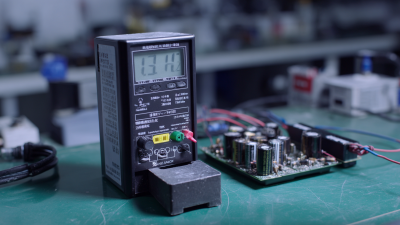
In today’s fast-moving tech world, it’s no surprise that demand for reliable and efficient Battery Testers is skyrocketing. With more and more industries relying on rechargeable batteries, having the right testing equipment has really become crucial. Just recently, a market report by Research and Marketsmentioned that the global Battery Testing industry is expected to hit around$1.4 billion by 2027, growing at about 6.2% annually from 2020 onwards. That just shows how important good quality testing tools are for making sure batteries perform well, stay safe, and last longer. Shenzhen Hongda New Energy Co., Ltd. has been leading the charge in this space since they started, serving over a thousand customers across multiple countries. When you’re trying to pick out the right Battery Tester, it’s super important to keep a few key things in mind — to get the best results and keep your testing accurate.
Benefits of Using Advanced Battery Testers for Accurate Diagnostics
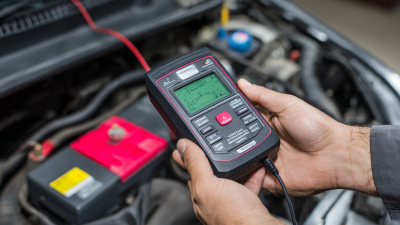
If you're serious about keeping your batteries in good shape and lasting longer, having a good battery tester is pretty much a must. These modern gadgets are surprisingly handy—they give you accurate info quickly, which can save you a ton of time and even some cash in the long run. One of the best parts? They can really tell you how healthy your battery actually is. You can get an instant read on things like voltage, capacity, and internal resistance, so you catch problems early before they turn into big issues.
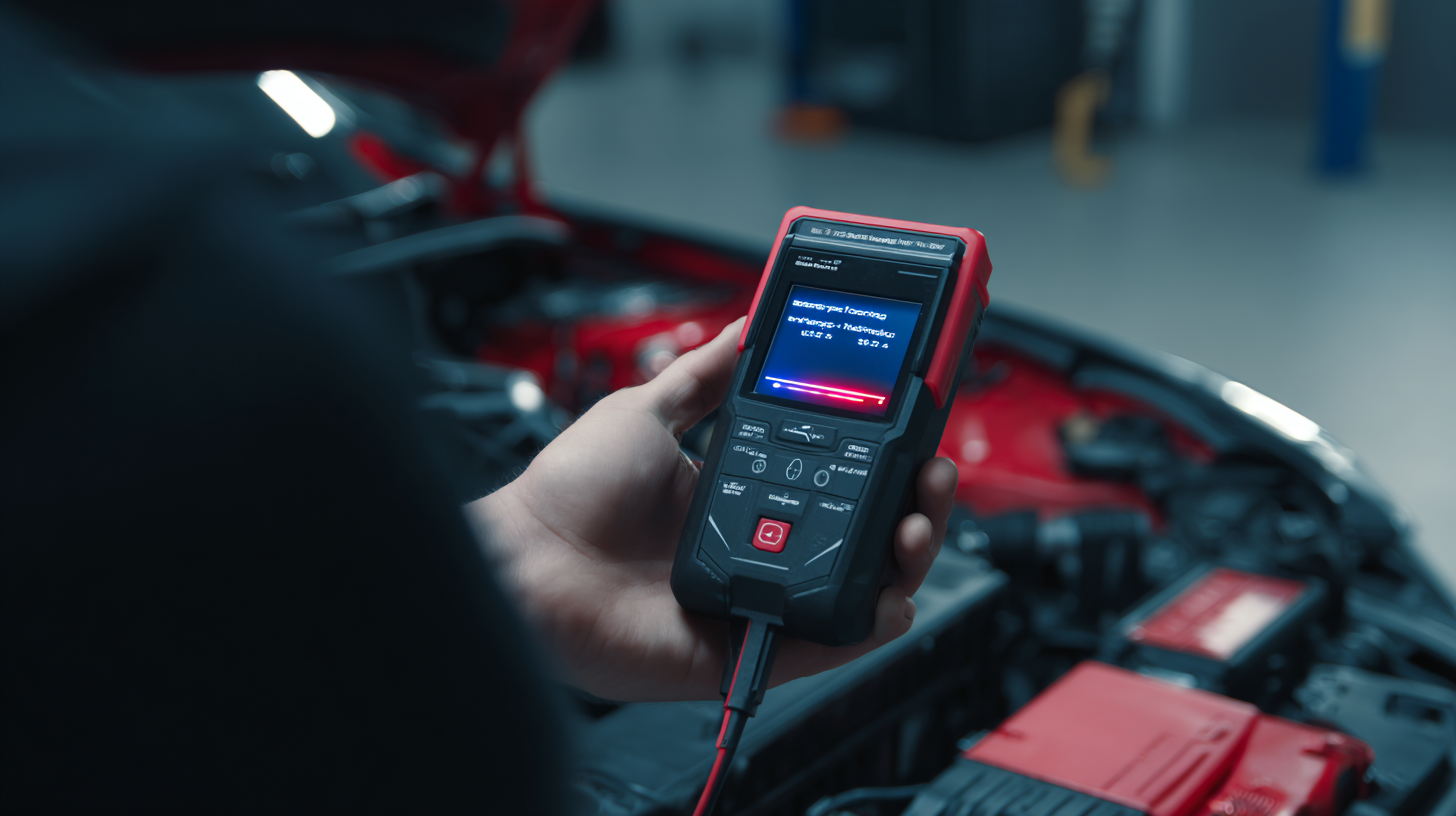
Plus, a lot of these testers come with cool features that make the whole process super straightforward. Whether it's a digital screen, real-time data logs, or Bluetooth that lets you analyze and share info easily, they’re user-friendly. Seriously, you don’t have to be a tech genius to use them—you can even do professional-grade diagnostics at home if you’re a DIY enthusiast. Investing in one of these tools means you’ll make smarter calls about when to replace or maintain your batteries, which means better performance and more reliable power wherever you need it—from cars to gadgets and beyond.
Understanding Different Types of Battery Testers and Their Applications
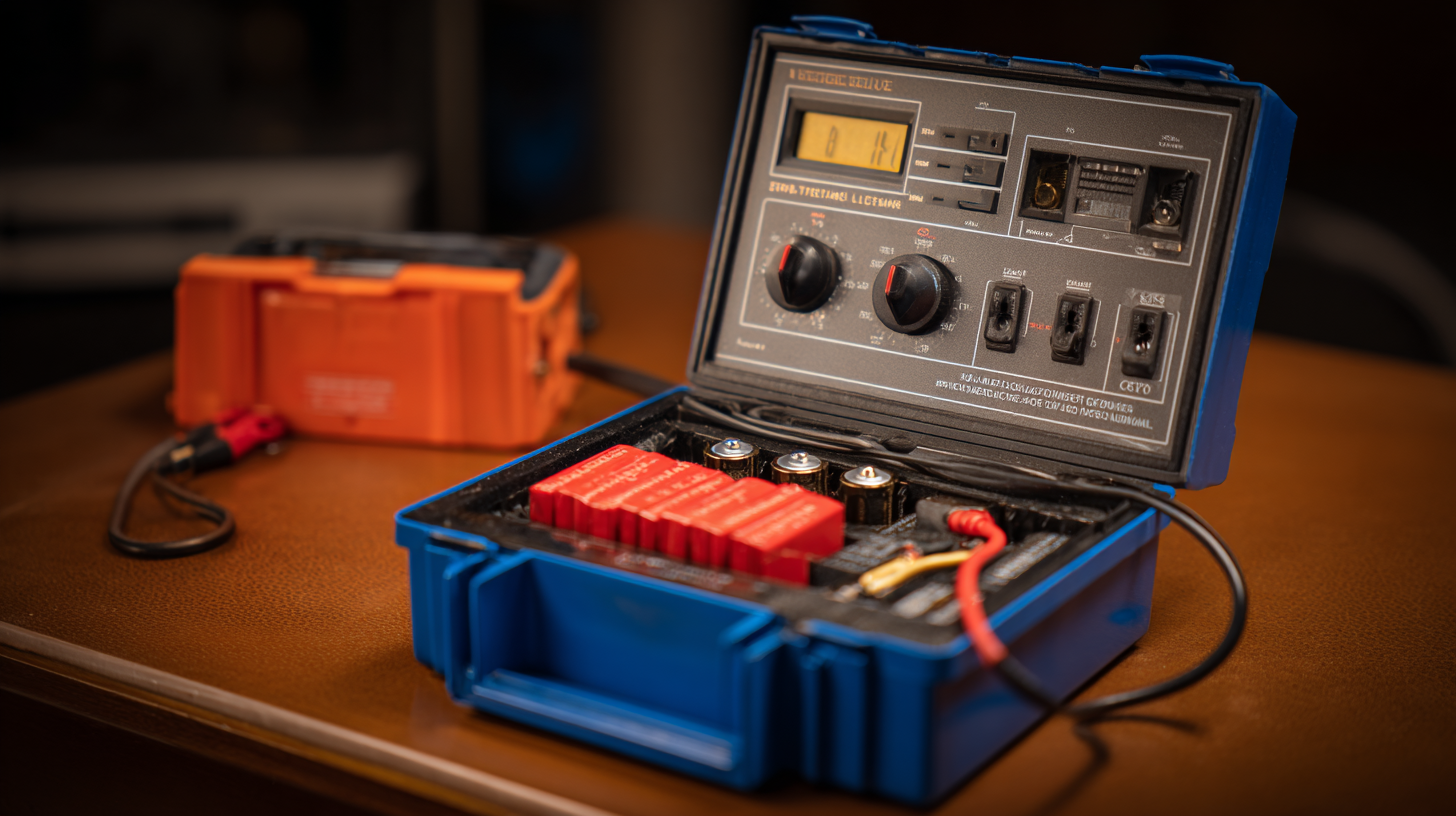
When you're on the hunt for a battery tester, it’s pretty important to get a good sense of the different types out there and what they’re best suited for. You’ve got your basic analog testers, digital ones, load testers, and the more high-tech smart testers. The analog models are super straightforward—they give you a simple gauge reading, so you can quickly see how much charge a battery has. They’re really user-friendly, especially handy if you just want a quick check at home. But, to be honest, they might not be as precise as some situations need.
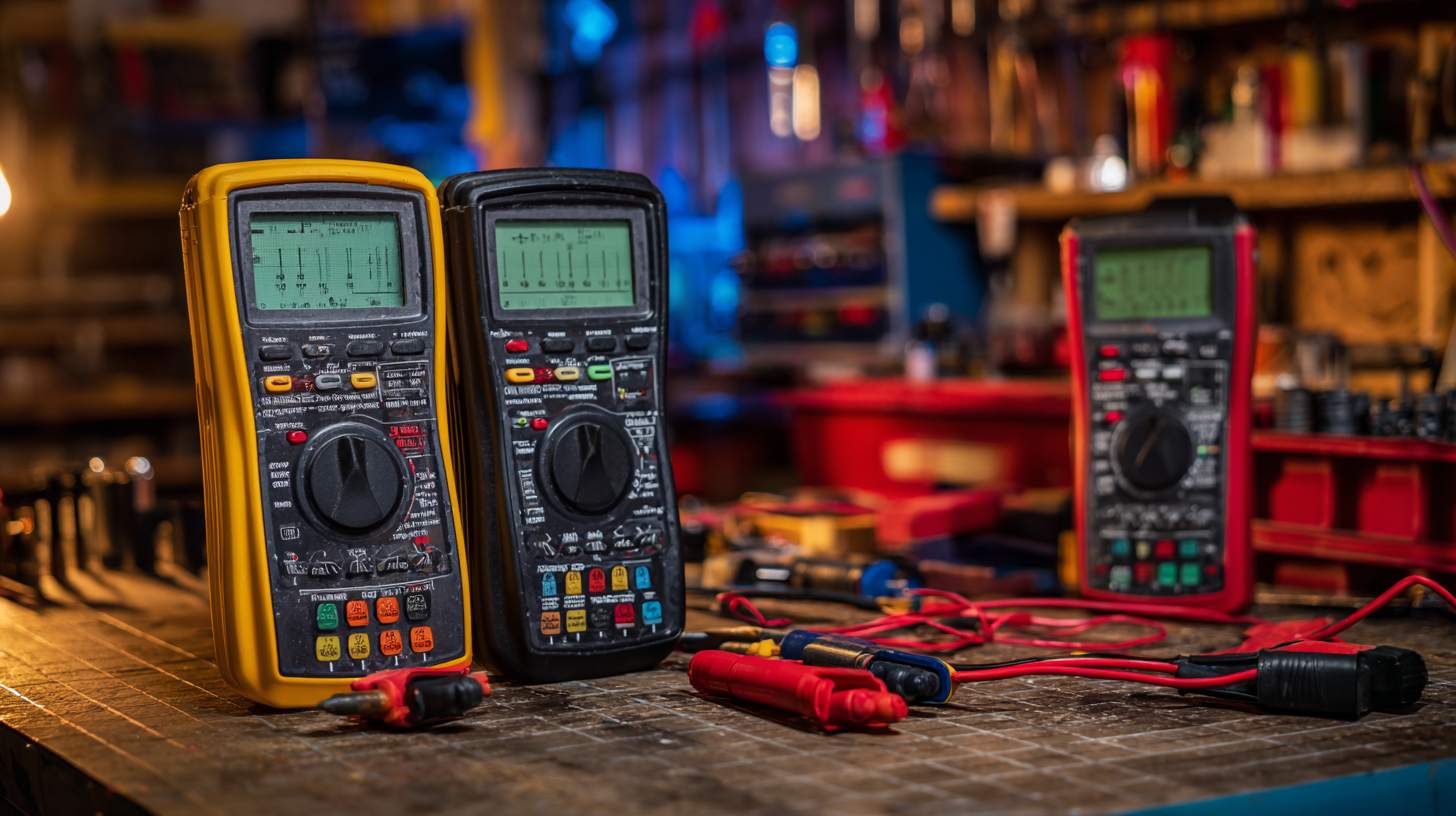
Digital testers step things up—they give you detailed info like voltage and capacity, which is pretty useful whether you're working on a car battery or testing rechargeable batteries in your gadgets. Load testers, on the other hand, are all about checking how a battery performs under a certain load, making them a must-have if you’re into cars or anything that needs real-world testing. And for those of you who love tech, smart testers with Bluetooth are pretty cool—they let you monitor your battery’s health remotely and even dig into detailed analyses over time. Knowing these differences will definitely help you pick the right tester for your specific needs, so you’re not stuck guessing or wasting money on the wrong tool.
Battery Tester Types and Applications
Key Features to Look for in High-Quality Battery Testers
Looking for a good quality battery tester? There are a few key features you really want to watch out for to make sure it’s accurate and reliable. First off, it’s a plus if the tester works with all sorts of batteries—things like alkaline, lithium, and rechargeable ones—so you don’t have to buy different devices for each. Plus, it’s super helpful if it tests both the voltage and the internal resistance because those are the main things that tell you how healthy and performing the battery really is.
Another thing to keep in mind is how easy it is to use. A clear, easy-to-read display makes checking results quick and simple, and controls that are intuitive can make the whole process less of a hassle—whether you’re a pro or just messing around at home. If your tester comes with some advanced features, like load testing or estimates of how much longer a battery will last, that’s a real bonus. These can give you a much better idea of what’s really going on inside the battery, so you can decide whether to replace or recharge.
All in all, investing in a battery tester that’s versatile, easy to use, and packed with smart features will really help keep your batteries in good shape without any guesswork.
Essential Checklist for Choosing the Best Battery Testers
| Feature | Description | Importance |
| Compatibility | Support for various battery types (e.g., alkaline, lithium, NiMH). | Ensures the tester works with the batteries you use. |
| Display | Clear and easy-to-read LCD screen. | Improves usability, especially in low-light conditions. |
| Voltage Range | Ability to measure a wide range of voltages. | Important for testing different battery sizes and types. |
| Accuracy | Precision in measuring battery voltage and condition. | Crucial for reliable results and performance assessment. |
| Portability | Compact and lightweight design. | Facilitates easy transport and use on-the-go. |
| Battery Life | Long-lasting internal battery or rechargeable option. | Ensures consistent operation without frequent recharging. |
How Battery Testers Improve Maintenance and Extend Battery Life
Battery testers are super important when it comes to keeping everything running smoothly and making batteries last longer — especially in our tech-heavy world. Doing regular tests can really boost how reliable and efficient your batteries are. I read somewhere that, according to the Battery Council International, about 30% of batteries end up failing way too soon because they weren’t maintained properly. Using a good battery tester, technicians can spot cells that aren’t doing well before they totally die, so they can swap them out or fix things in time — which saves a lot of hassle later on.
On top of that, a report from Freedonia Group pointed out that if you take care of your batteries proactively, you could actually extend their lifespan by up to 50%. That means keeping up with routine testing not only keeps everything safer and running smoothly but can also save a ton of money on replacements and repairs. When businesses make testing part of their regular maintenance routines, they tend to see less downtime and a boost in overall productivity. So, investing in good quality battery testers isn’t just about ticking boxes — it’s really about creating a smart, preventive maintenance culture that pays off big time over the long haul.
Industry Standards and Certifications for Reliable Battery Testing Solutions
When you're picking out the best battery testers, it's super important to get what those industry standards and certifications are all about. Basically, groups like the International Electrotechnical Commission (IEC) and Underwriters Laboratories (UL) set some pretty strict rules that testing devices need to follow. If your tester checks those boxes, it’s a good sign that it’s gonna give you accurate results and keep things safe. So, keep an eye out for testers that clearly show these certifications — it’s a quick way to tell if you're getting something reliable to really gauge your batteries’ health and performance.
At Shenzhen Hongda New Energy Co., Ltd., we get just how critical it is to stick to these standards when designing our battery testing tools. Since we started, we've grown a lot — serving over a thousand customers all around the world. We pride ourselves on creating innovative products that meet the highest safety and quality benchmarks. By making sure our testers comply with international standards, we’re confident they’ll give you trustworthy results. That means whether you're checking batteries for your home, business, or industrial needs, you can do so with peace of mind, knowing our solutions are up to the task.
Cost-Benefit Analysis: Investing in the Right Battery Tester for Your Needs
When you're looking to buy a battery tester, it's honestly a good idea to do a proper cost-benefit check first. You want to get a feel for both how much it costs upfront and what long-term value it offers. This way, you can avoid wasting money on fancy features you might not even need. Try to find a tester that strikes a nice balance between being affordable and reliable — because sometimes going too cheap can backfire, giving you inaccurate readings and leading to more expenses later on.
As you’re shopping around, keep an eye out for features that actually make your life easier. For example, digital displays can make readings much clearer, and testers with multiple testing modes are pretty handy if you're dealing with different kinds of batteries. Also, think about the potential savings — investing in a good-quality tester that accurately checks battery health could help your batteries last longer and stop you from buying replacements too soon.
And don’t forget to check reviews from other users and experts. Real-world feedback can reveal issues or benefits you might miss just from product descriptions. Taking the time to weigh the costs against the actual benefits, you’ll end up picking a tool that fits your needs without going over your budget.
FAQS
: The most common types of battery testers include analog testers, digital testers, load testers, and smart testers.
An analog battery tester provides a simple gauge reading to indicate the battery's charge level, making it user-friendly for quick checks.
Digital testers provide more detailed data, such as voltage and capacity readings, suitable for a wider range of applications compared to analog testers.
Load testers assess a battery's performance under a specific load, which is essential for understanding how a battery behaves during use, particularly in automotive applications.
Smart testers with Bluetooth connectivity enable remote monitoring and detailed analysis, making it easier to track battery health over time.
Conducting a cost-benefit analysis helps ensure that you choose a battery tester that balances initial cost with long-term value, avoiding overspending on unnecessary features.
Look for features such as digital displays for clearer readings, multiple test modes for different battery types, and overall usability and efficiency enhancements.
A high-quality tester that accurately assesses battery health can prolong battery life and prevent premature purchases of replacements.
Reading user reviews and expert opinions can provide insights into the effectiveness and potential drawbacks of battery testers that may not be obvious in product descriptions.

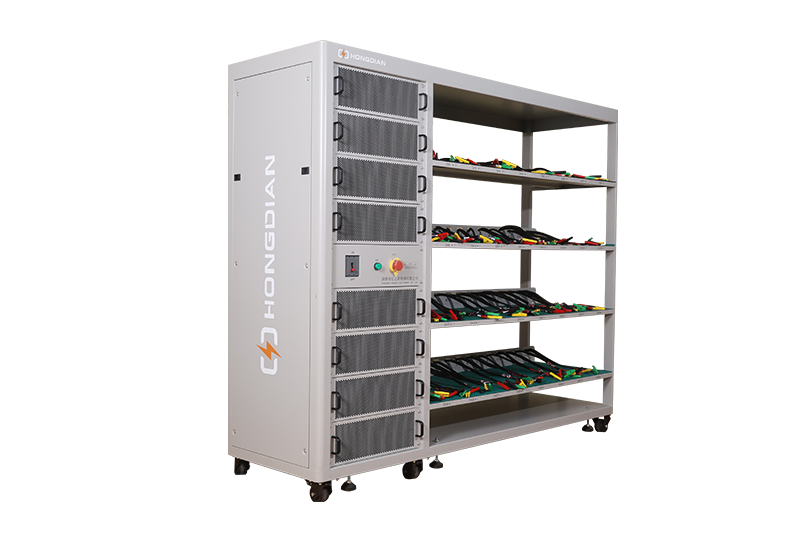 32/48 channel battery charging and discharging test integrated battery cabinet
 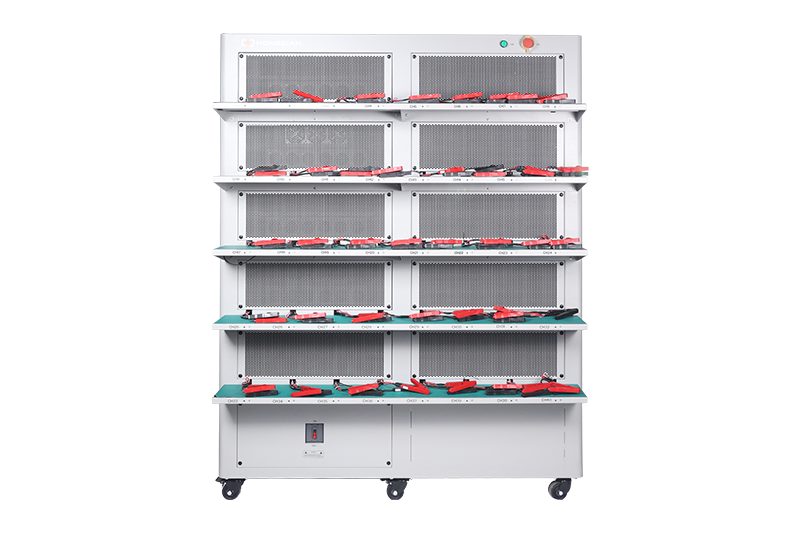 40 channel battery charging and discharging test integrated battery cabinet
  64 channel battery charging and discharging test integrated battery cabinet
 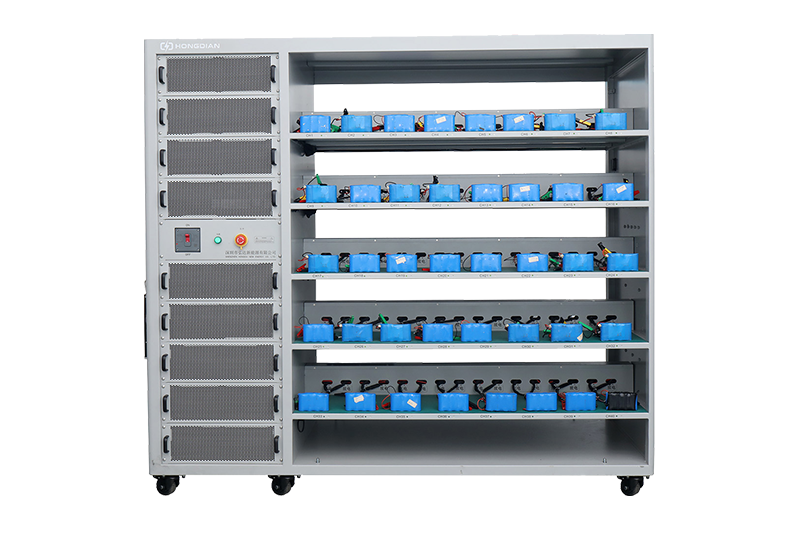 80 channel battery charging and discharging test integrated battery cabinet
 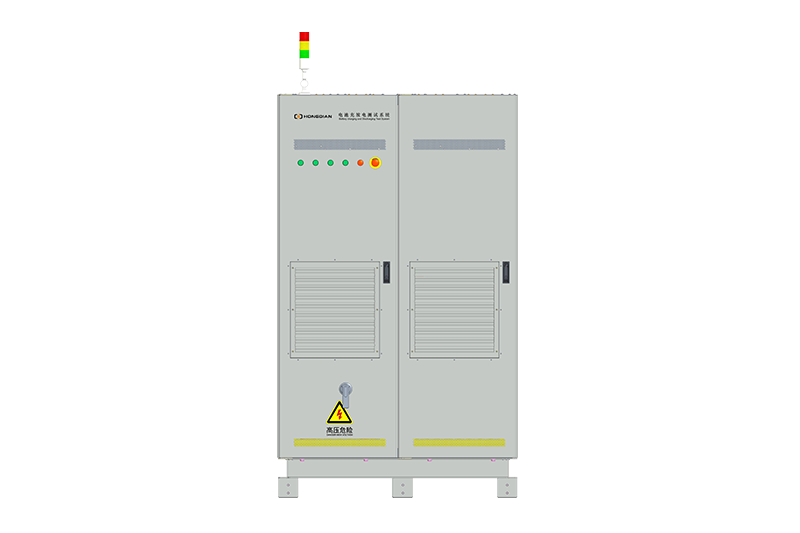 1000V-1500V High Voltage High Current Battery Testing System
 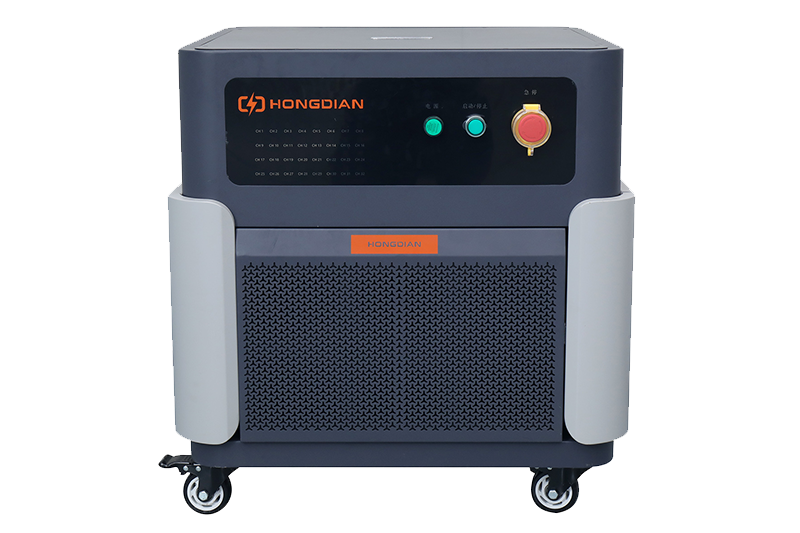 High-Precision Battery Testing System for Enhanced Performance Monitoring 30V/60V/100V/120V
 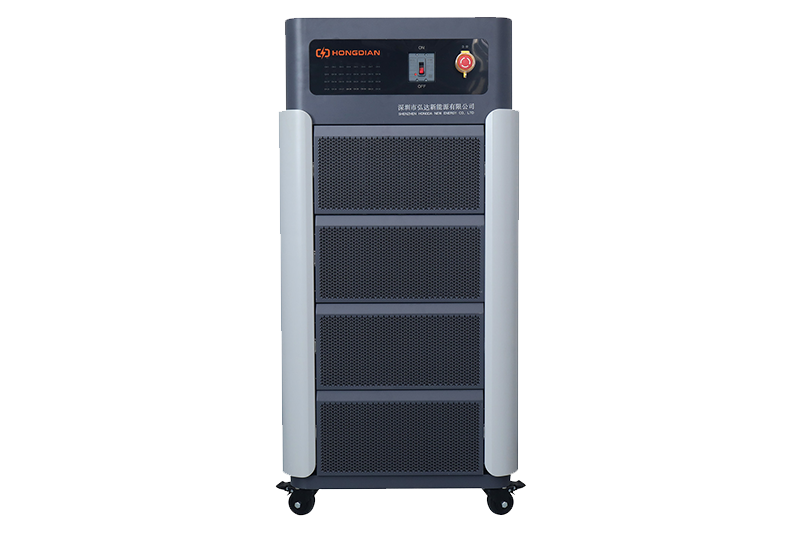 High-Precision Battery Charge Discharge Test Systems for EV Manufacturers
 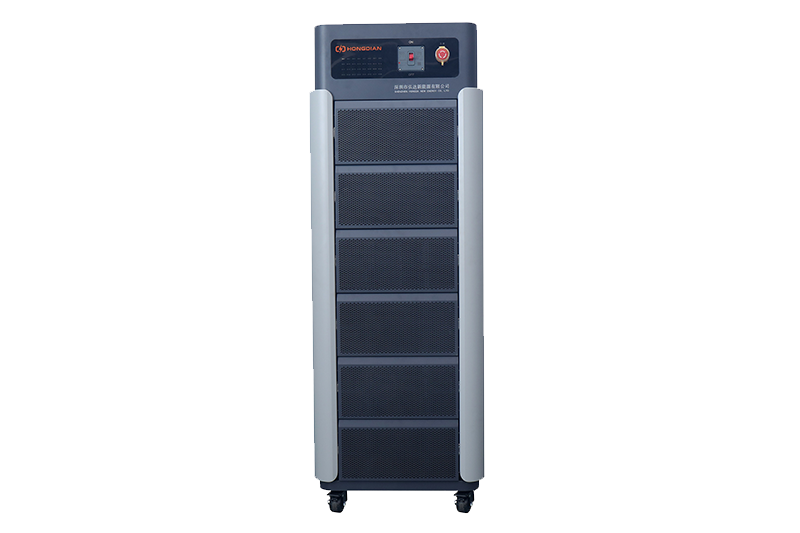 Precision Battery Test Racks for Cell Capacity & Internal Resistance Measurement
 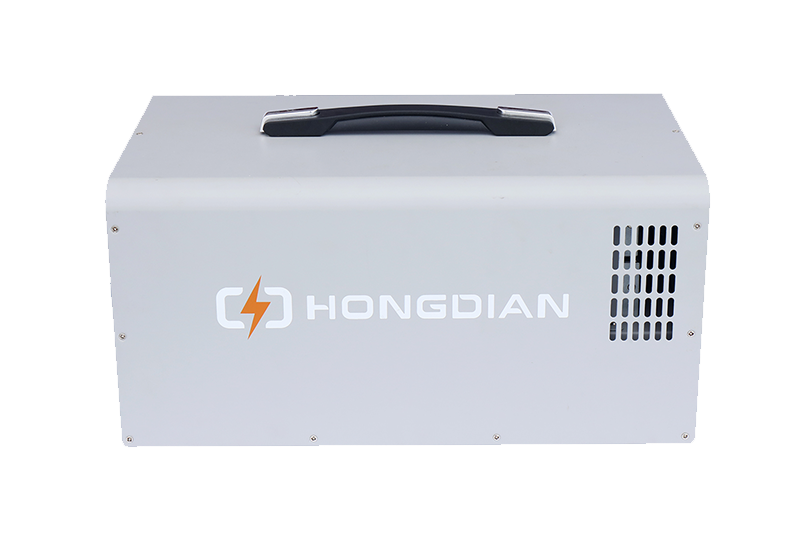 Multi-Channel Battery Testing Equipment for Parallel Performance Analysis