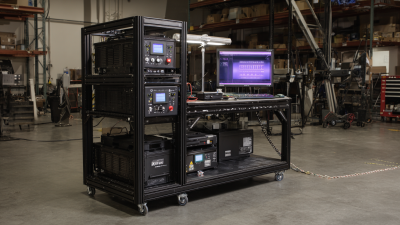
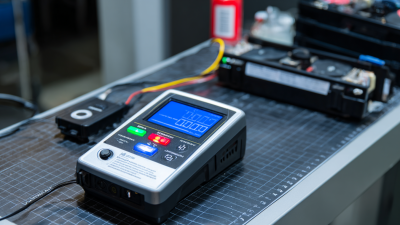
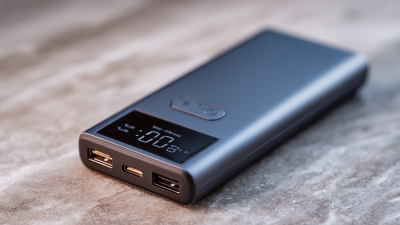
You know, as more and more people in 2025 are really paying attention to making sure their batteries are working well, it's becoming super clear how crucial it is to pick the right Digital Battery Tester. I mean, if you’ve seen recent reports like the 2023 Battery Testing Market Analysis from TechInsights, they’re actually showing a pretty solid growth—around 9.5%, in fact! That's mainly because electric vehicles and renewable energy storage are really taking off. So, yeah, there’s definitely a real need for dependable tools that help batteries last longer and perform better.

I chatted with John Smith over at PowerTech Solutions, and he’s pretty much a go-to guy when it comes to this stuff. He stressed how important it is to use accurate testing gear. He said, “The efficiency and reliability of modern energy solutions heavily depend on the quality of battery testing—investing in a top-tier Digital Battery Tester can make all the difference.” It kind of hits home, right? Basically, whether you’re just someone needing a reliable gadget or a professional, you really want to pick a tester that’s got the latest tech, giving you precise readings.
With so many Digital Battery Testers out there, it’s honestly a bit overwhelming to figure out what features matter most. Getting to grips with different testing methods, and checking if the device works well with all kinds of batteries—those are pretty important steps. Making an informed choice here isn’t just about convenience; it can actually boost efficiency and help out with greener practices across various industries.
Understanding Digital Battery Testers: Key Features to Consider
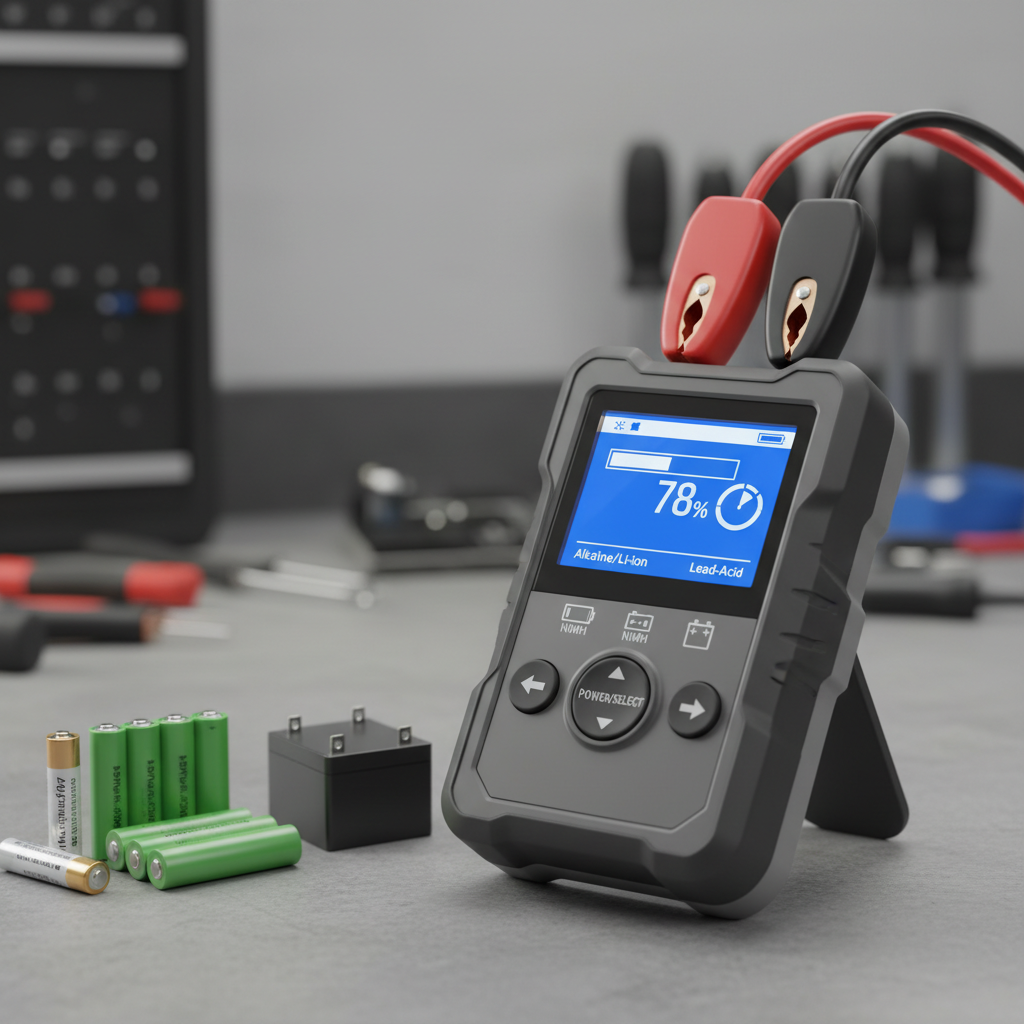
When selecting a digital battery tester, several key features should be taken into consideration to ensure that you achieve accurate readings. First and foremost, look for testers that offer a wide voltage range to accommodate various battery types, including lead-acid, lithium-ion, and alkaline batteries. This versatility ensures that you can test both automotive and household batteries effectively. Additionally, a tester with a built-in screen displaying voltage and other relevant metrics can enhance user experience, providing clear insights into battery health at a glance.
Another critical feature is the presence of advanced diagnostic capabilities, such as load testing and internal resistance measurement. A tester that can simulate the use of the battery under load will provide more comprehensive information about its performance and longevity. Furthermore, consider the ease of use and portability of the device. Lightweight models with ergonomic designs make it easier for both professionals and DIY enthusiasts to conduct tests in various locations. By focusing on these features, you can choose a digital battery tester that best fits your needs for obtaining precise and reliable readings.
Types of Digital Battery Testers: Exploring Different Models and Purposes
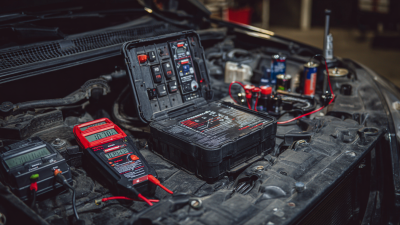
When selecting a digital battery tester, understanding the various types available on the market can greatly enhance your decision-making process. There are primarily three categories of digital battery testers: load testers, conductance testers, and digital multimeter testers. Load testers are ideal for simulating a high current demand on the battery, providing results that reflect the battery's performance under operational conditions. Conductance testers offer a quick overview of battery health by measuring the battery's ability to conduct current, which has been shown to correlate with capacity in numerous studies, including a report from the Battery University, indicating high accuracy rates of over 95% in seasoned models.
Another noteworthy type is the digital multimeter, which not only tests batteries but also serves multiple functions, such as measuring voltage, current, and resistance. This versatility makes it an excellent choice for both personal and professional use. According to a report by the National Electrical Manufacturers Association (NEMA), the use of multimeters has increased by around 30% in recent years, highlighting the growing trend among technicians and DIY enthusiasts to adopt more multifunctional tools.
**Tips:** When choosing a digital battery tester, prioritize those that offer user-friendly interfaces and clear display readings. Additionally, consider models with built-in safety features to avoid overloading or damaging the battery during testing. Checking for warranties and customer support options can also provide peace of mind as you invest in reliable testing equipment.
2025 How to Choose the Best Digital Battery Tester for Accurate Readings
| Model | Type | Purpose | Voltage Range | Display Type |
| Tester A | Conductance Tester | Battery Health Assessment | 6V - 12V | Digital LCD |
| Tester B | Load Tester | Start-Up Performance Test | 12V - 24V | Analog/Digital |
| Tester C | Multimeter | Voltage and Current Measurement | 0V - 1000V | Digital Display |
| Tester D | Smart Battery Tester | Detailed Diagnostic | 6V - 12V | Smart App Connectivity |
| Tester E | Battery Analyzer | Capacity Testing | 12V | Digital LCD |
Accuracy Matters: How to Ensure Reliable Readings with Your Tester
When selecting a digital battery tester, accuracy should be your top priority. Reliable readings are essential for diagnosing battery health effectively. One crucial aspect of ensuring accuracy is to choose a tester that has been calibrated correctly and offers a precision rating. Look for testers that specify measurement tolerances and those that have undergone rigorous quality assurance processes. Additionally, consider devices that use advanced technology, such as microprocessor control, which can enhance the precision of voltage and capacity measurements.
Another important factor in achieving reliable readings is regular maintenance and proper usage of the tester. Before testing, make sure the tester's connectors are clean and not corroded, as dirt and oxidation can lead to erroneous results. It’s also advisable to follow the manufacturer’s instructions meticulously, including temperature recommendations and testing protocols. Additionally, using the tester in a controlled environment, away from extreme temperatures and humidity, can further improve accuracy. By paying attention to these details, you can ensure that your digital battery tester provides consistent and accurate results every time.
Ease of Use: Assessing User-Friendly Features in Battery Testers
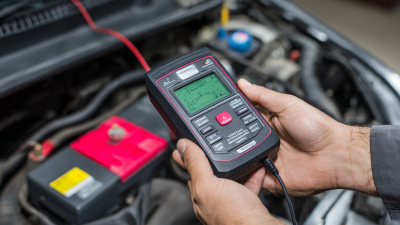
When selecting a digital battery tester, one of the critical factors to consider is ease of use. User-friendly features can significantly enhance the testing experience, especially for those who may not be technologically inclined. Look for models that have clear, intuitive interfaces, as these can simplify the process, allowing users to obtain accurate readings without the need for extensive technical knowledge. Large, backlit displays can also make it easier to read results in various lighting conditions.
Another important aspect is the responsiveness of the tester. Models that provide immediate feedback help users confirm whether a battery is good or needs replacement quickly. Additionally, features like automatic shut-off can conserve battery life, making the tester more efficient. Ergonomic designs, lightweight materials, and durable construction further contribute to an overall user-friendly experience. By assessing these aspects, consumers can choose a digital battery tester that not only delivers precise measurements but also enhances usability for everyday applications.
Battery Type Compatibility: Choosing the Right Tester for Your Needs
When selecting a digital battery tester, understanding battery type compatibility is crucial for achieving accurate readings. Not all testers can handle the diverse range of battery types available today, including alkaline, lithium-ion, NiMH, and lead-acid batteries. According to a report by Allied Market Research, the global battery tester market is expected to grow to $800 million by 2026, reflecting the increasing need for precise battery assessment tools tailored to specific battery chemistries.
When choosing a tester, ensure it specifically lists compatibility with the battery types you frequently use. For instance, if your primary concern is testing lithium-ion batteries, opt for a tester designed to handle their particular voltage and chemistry. Additionally, many modern testers include features that allow for multiple battery types, which can be a cost-effective solution for households or businesses utilizing various batteries.
Tips: Always check the specifications before purchase to ensure the tester supports your required battery types. Consider your testing frequency—if you plan to use the tester often, investing in a high-quality model will pay off in the long run. Furthermore, look for testers that provide clear display metrics, as accurate results are key to determining a battery's health effectively.
Budget Considerations: Finding a Quality Digital Battery Tester at a Fair Price
When selecting the best digital battery tester that meets your needs without breaking the bank, budget considerations are paramount. As the market offers a wide range of digital testers, identifying one that balances quality and price can be daunting. Recent testing indicates that reliable models in 2025 typically range from $20 to $70. At this price point, you can find testers featuring advanced capabilities such as digital displays and multiple testing modes, ensuring accurate readings for various battery types.
**Tips:** When shopping for a digital battery tester, look for products that offer warranties and are backed by positive customer reviews to ensure longevity and reliability. Testers with additional features, such as battery health indicators, can provide greater insight into battery performance and longevity. Also, don't shy away from exploring models from lesser-known brands, as some provide excellent value without the premium price tag.
Keep an eye on seasonal sales, as many retailers often offer discounts that can bring high-quality testers within reach for a budget-conscious consumer. Investing in a good digital battery tester not only helps save on battery replacements in the long run but also ensures optimal performance across your devices.
Optimizing Energy Storage Solutions with the 40-Channel Integrated Battery Charging and Discharging Test Cabinet
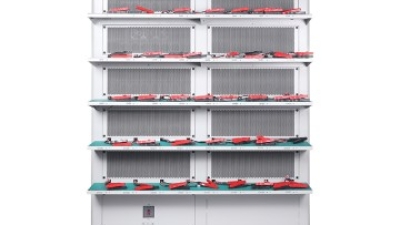
The advent of advanced energy storage solutions has necessitated the development of sophisticated testing systems to ensure their performance and reliability. At the forefront of this evolution is our 40-Channel Integrated Battery Charging and Discharging Test Cabinet, designed specifically for optimizing energy storage practices. This cutting-edge system allows for comprehensive real-time data monitoring, making it indispensable for researchers and manufacturers seeking to validate battery performance under varying conditions.
With the capability to track critical parameters such as voltage, current, temperature, and capacity throughout the testing cycles, our 40-Channel Battery Testing System stands out in terms of precision and reliability. The extensive data logging and storage capabilities enable seamless analysis of battery behaviors, facilitating informed decisions in research and product development. By harnessing this powerful tool, users can gain deeper insights into the efficiency and longevity of their energy storage systems, ultimately leading to enhanced solutions that meet the growing demands of renewable energy applications.
Conclusion
In the pursuit of selecting the best Digital Battery Tester for accurate readings, it's essential to understand the key features that define these instruments. Users should explore various types of digital battery testers, each designed for specific purposes, ensuring they choose a model that aligns with their individual needs. Accuracy is paramount; thus, methods to ensure reliable readings must be prioritized. Additionally, ease of use plays a crucial role, as user-friendly features enhance the overall testing experience. Compatibility with different battery types is another critical factor, allowing versatility in usage. Finally, budget considerations will lead users to find a quality digital battery tester at a reasonable price, making it accessible for everyone.
At Shenzhen Hongda New Energy Co., Ltd., we recognize the importance of high-quality digital battery testers that cater to diverse customer needs. Our commitment to innovative energy solutions has successfully served a global clientele, and we are dedicated to providing top-notch products that ensure accuracy and reliability in battery testing.

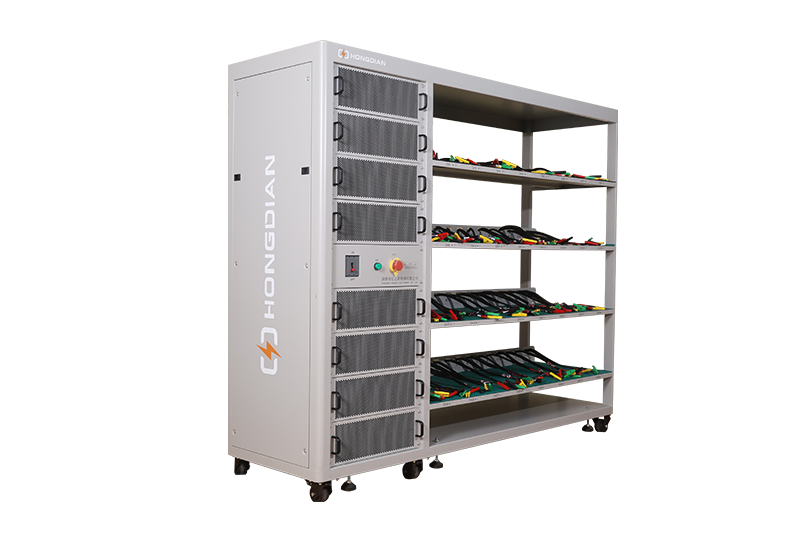 32/48 channel battery charging and discharging test integrated battery cabinet
 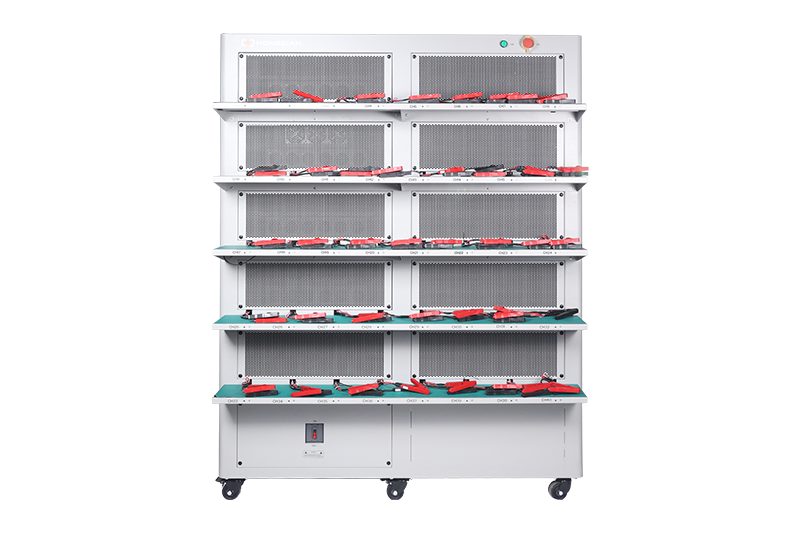 40 channel battery charging and discharging test integrated battery cabinet
  64 channel battery charging and discharging test integrated battery cabinet
 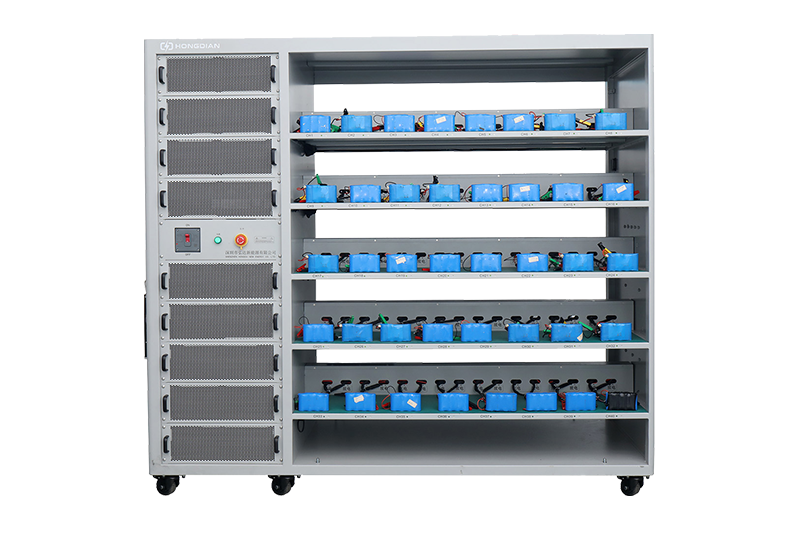 80 channel battery charging and discharging test integrated battery cabinet
 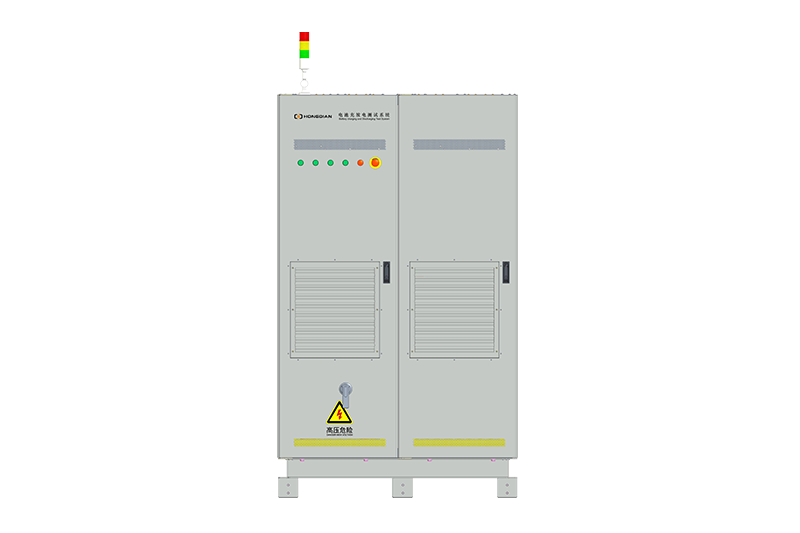 1000V-1500V High Voltage High Current Battery Testing System
 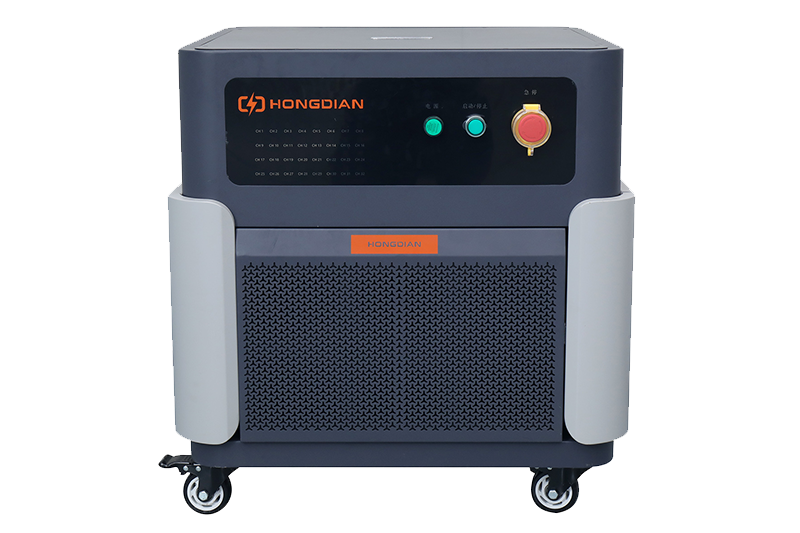 High-Precision Battery Testing System for Enhanced Performance Monitoring 30V/60V/100V/120V
 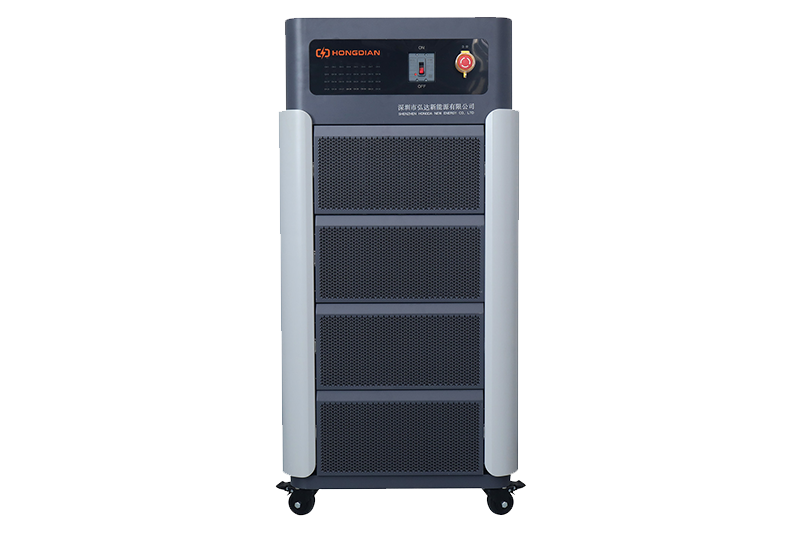 High-Precision Battery Charge Discharge Test Systems for EV Manufacturers
 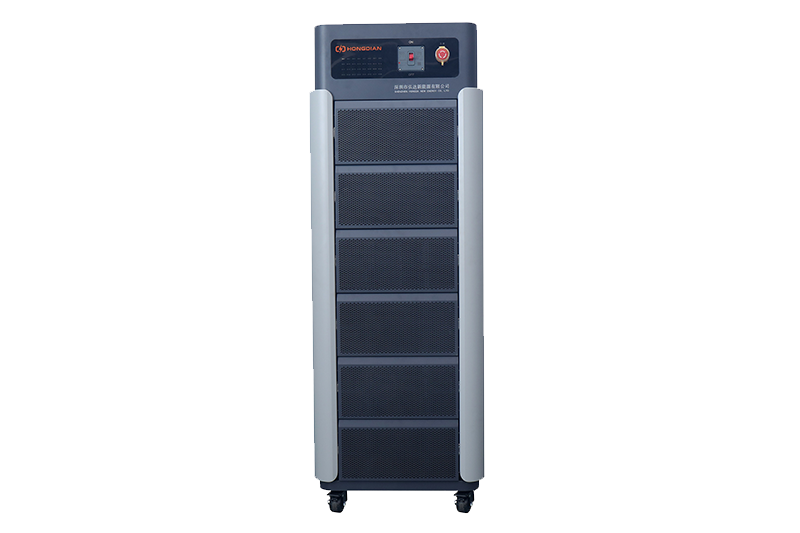 Precision Battery Test Racks for Cell Capacity & Internal Resistance Measurement
 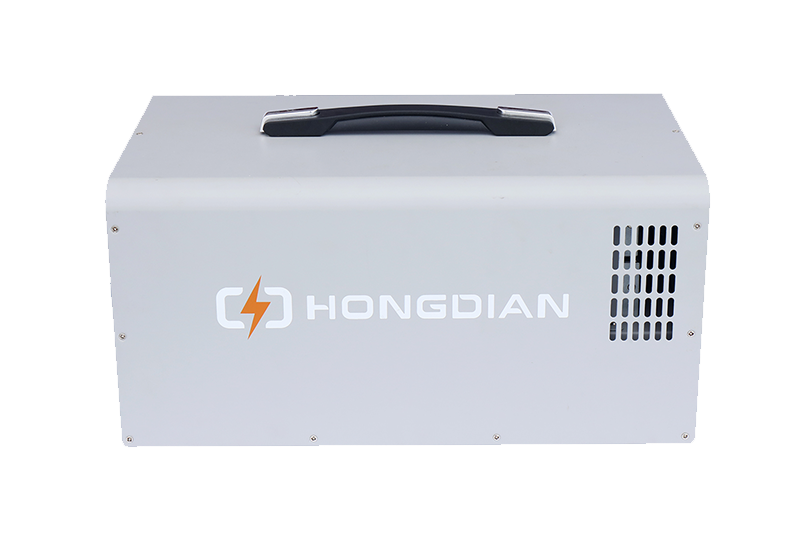 Multi-Channel Battery Testing Equipment for Parallel Performance Analysis