In today’s super busy world, lithium batteries are pretty much the backbone behind many of our everyday gadgets—think smartphones, electric cars, you name it. As more and more folks start relying on them, making sure these batteries are working their best isn’t just a good idea, it’s pretty much essential for safety and efficiency. Dr. Emily Harris, a top expert in battery tech from Advanced Energy Solutions, emphasizes how important it is to do regular check-ups. She says, “A Lithium Battery Tester is key for catching potential problems early on—before they turn into real hazards.” Basically, having a good tester helps maximize your battery’s lifespan and keeps everyone safe.
Lithium battery systems can get pretty complicated, and sometimes issues hide beneath the surface, which means relying on a solid Lithium Battery Tester is a smart move—whether you’re just someone who uses batteries daily or you’re into industries that depend on these power sources. Checking things like voltage, capacity, and overall health regularly can help prevent those unexpected failures and boost safety. As more people push for eco-friendly energy solutions, understanding how these batteries perform and stay safe is more important than ever. We’ll walk through why investing in a Lithium Battery Tester isn’t just for tech geeks but something that everyone relying on these batteries should seriously consider, especially in bigger industries too.

Understanding Lithium Batteries: The Importance of Performance and Safety
Lithium batteries have become the go-to power source for a wide range of devices, from smartphones to electric vehicles. Their popularity stems from their high energy density and lightweight nature, which make them ideal for applications where space and weight are critical. However, with these advantages come certain risks and challenges. Understanding how to maintain optimal performance and safety is essential for anyone who relies on lithium battery technology.
To ensure that lithium batteries function correctly, regular testing is imperative. A lithium battery tester can help monitor key parameters such as voltage, capacity, and internal resistance. These factors not only indicate the health and performance of the battery but also play a crucial role in preventing hazardous situations. Batteries that are overcharged, deeply discharged, or subjected to extreme temperatures can pose serious safety risks, including fires or explosions. This is why understanding the performance metrics of lithium batteries is vital for both personal and commercial users.
By prioritizing safety and performance through the use of a dedicated tester, users can extend the lifespan of their batteries and enhance the overall efficiency of their devices. In an era where reliance on battery power continues to escalate, fostering knowledge about lithium battery management is more important than ever. It empowers users to make informed decisions, ensuring both optimal performance and safety in their daily use of these powerful energy sources.
The Role of a Lithium Battery Tester in Monitoring Battery Health
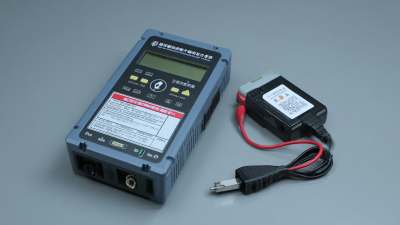
Lithium batteries are vital components in various modern devices, but their efficiency and longevity can diminish over time. To ensure optimal performance and safety, monitoring battery health is essential. A lithium battery tester plays a crucial role in this process by providing valuable insights into the condition of the battery. These testers assess key parameters such as voltage, capacity, and internal resistance, allowing users to quickly identify any signs of deterioration or malfunction.
By regularly utilizing a lithium battery tester, users can detect issues before they escalate into more significant problems. For instance, a sudden drop in capacity may hint at cell damage or overcharging, potentially leading to safety concerns. Moreover, keeping track of battery health helps in planning maintenance or timely replacements, which ultimately enhances the longevity of the battery pack. In summary, a lithium battery tester is an indispensable tool for anyone looking to ensure the extended performance and reliability of their lithium battery systems.
How Battery Testing Improves Longevity and Efficiency of Lithium Batteries
Lithium batteries are widely used in various applications, from consumer electronics to electric vehicles, due to their high energy density and efficiency. However, the performance and longevity of these batteries can degrade over time without proper maintenance. Regular Battery Testing is essential to ensure optimal performance and safety. According to a report by the International Energy Agency (IEA), improper battery management can lead to a reduction in capacity by as much as 30% over a battery's lifecycle. A lithium battery tester can help monitor voltage levels, charge cycles, and temperature, which are critical indicators of battery health.
Testing lithium batteries not only enhances their longevity but also improves overall efficiency. As per the Battery University, maintaining a battery's charge between 20% and 80% can significantly extend its lifespan. Utilizing a battery tester allows users to ensure they are operating within this optimal range and can prevent potential damage caused by overcharging or deep discharging. Furthermore, a study by the National Renewable Energy Laboratory (NREL) revealed that well-monitored batteries can maintain up to 90% of their original capacity even after extensive use, demonstrating the importance of regular testing in achieving efficient and safe battery performance.
Key Features to Look for in a Lithium Battery Tester
When selecting a lithium battery tester, certain key features are essential to ensure optimal performance and safety. First and foremost, accurate voltage measurement is critical. A reliable tester should provide precise readings that can detect voltage levels, allowing users to identify undercharged or overcharged batteries, which can lead to performance issues or safety hazards. Additionally, the tester should offer a wide voltage range to accommodate various battery types, making it versatile for different applications.
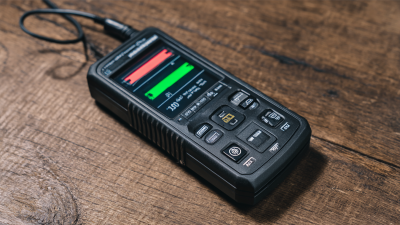
Another vital feature to consider is the presence of a built-in temperature sensor. Lithium batteries can be sensitive to temperature fluctuations, and excessive heat can lead to degradation or failure. A tester with a temperature monitoring function alerts users to potential overheating, enhancing safety during operation. Furthermore, a user-friendly interface that includes clear displays and simple controls is necessary for efficient testing. Look for testers that offer visual indicators, such as LED lights or digital readouts, providing immediate and comprehensible feedback on battery health.
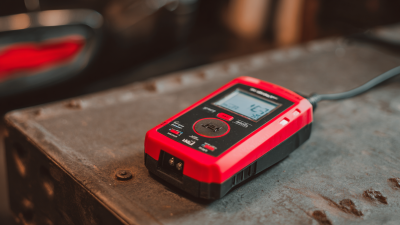
Finally, durable construction is a must-have attribute. Lithium battery testers should be built to withstand frequent use, especially in environments where they may be exposed to dust, moisture, or accidental drops. An ergonomic design can also enhance the testing experience, making it easier to hold and manipulate while taking measurements. Considering these features will not only help in achieving optimal battery performance but also ensure safe and reliable usage in various contexts.
Step-by-Step Guide on Using a Lithium Battery Tester Effectively
Using a lithium battery tester effectively is crucial for maintaining both optimal performance and safety. Begin by ensuring that you have the right tester suitable for your specific lithium battery type. Familiarize yourself with the device; read the user manual to understand its features and functions. Before testing, check the battery's physical condition for any signs of damage or swelling, as this can affect the results and pose safety risks.
Next, proceed to measure the battery's voltage. Connect the tester’s leads to the corresponding terminals of the battery, ensuring that the positive and negative connections are correct. A healthy battery should display a voltage reading that aligns with its specifications. If the voltage is significantly lower than expected, it may indicate that the battery is underperforming or needs to be replaced.
Additionally, conduct a capacity test if your tester supports it. This involves fully charging the battery and then discharging it under controlled conditions to evaluate how much energy it can store and release. Keep a record of the results for future reference. Regular testing not only extends the life of your lithium batteries but also helps in avoiding potentially hazardous situations, ensuring that your devices function safely and efficiently.
Common Issues Detected by Lithium Battery Testers and Their Solutions
Lithium battery testers play a crucial role in maintaining the performance and safety of lithium-ion batteries, particularly given the rising demand for these power sources across various industries. Common issues that can be detected with these testers include capacity degradation, improper charging cycles, and thermal runaway tendencies. According to a report by the International Energy Agency, the efficiency of lithium batteries can decline by as much as 30% over their lifespan if not properly monitored. Utilizing a battery tester can help identify diminished capacity early on, allowing for timely intervention and replacement, thereby ensuring optimal performance.
Another prevalent issue identified by lithium battery testers is the imbalance in cell voltages, which can threaten both battery lifespan and safety. The State of Battery Systems report highlights that around 15% of lithium battery failures are attributed to voltage imbalances among cells. These imbalances can lead to overcharging and overheating, creating significant safety risks. Regular testing can pinpoint these discrepancies, enabling users to recalibrate or replace individual cells as necessary, thus enhancing overall reliability and safety. By integrating battery testing into routine maintenance, users can mitigate risks and extend the operational life of their lithium battery systems.
Safety Protocols When Using Lithium Battery Testers and Handling Batteries
When using lithium battery testers and handling batteries, safety protocols are essential to ensure both user safety and optimal performance of the batteries. Firstly, it is crucial to wear appropriate personal protective equipment (PPE), such as safety goggles and gloves, to protect against chemical exposure or potential battery leaks. The testing area should be well-ventilated and free from any flammable materials to minimize the risk of fire or explosion. Additionally, keep a safe distance from the tested batteries and ensure that they are placed on a non-conductive surface to prevent accidental short circuits.
Furthermore, users should educate themselves on the specific characteristics of lithium batteries, including their voltage levels and temperature thresholds. It is important to follow the manufacturer’s guidelines regarding the charging and discharging process. Regularly inspect the batteries for any signs of damage, such as swelling or corrosion, before testing them. This not only prevents unsafe conditions but also contributes to maintaining the longevity and efficiency of the batteries. By adhering to these safety protocols, users can confidently utilize lithium battery testers while effectively managing the risks associated with handling lithium batteries.
Conclusion
A Lithium Battery Tester is essential for ensuring optimal performance and safety of lithium batteries. Understanding the nuances of lithium batteries highlights the importance of monitoring their health, as it directly impacts their longevity and efficiency. By using a lithium battery tester, users can detect common issues early, enhancing the battery's lifespan and preventing unexpected failures.
When selecting a lithium battery tester, certain key features should be considered to maximize its effectiveness. A step-by-step guide for using the tester can further improve user experience and accuracy in diagnosing battery issues. Additionally, following safety protocols during testing and battery handling is crucial to ensure both user safety and battery integrity. Ultimately, a lithium battery tester serves as a vital tool in maintaining the health and reliability of lithium batteries in various applications.

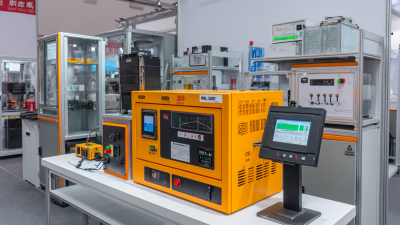
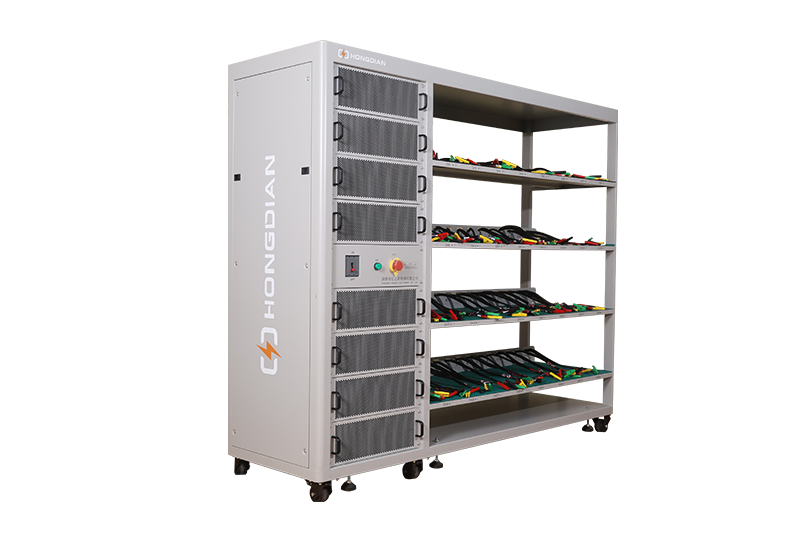 32/48 channel battery charging and discharging test integrated battery cabinet
  40 channel battery charging and discharging test integrated battery cabinet
  64 channel battery charging and discharging test integrated battery cabinet
 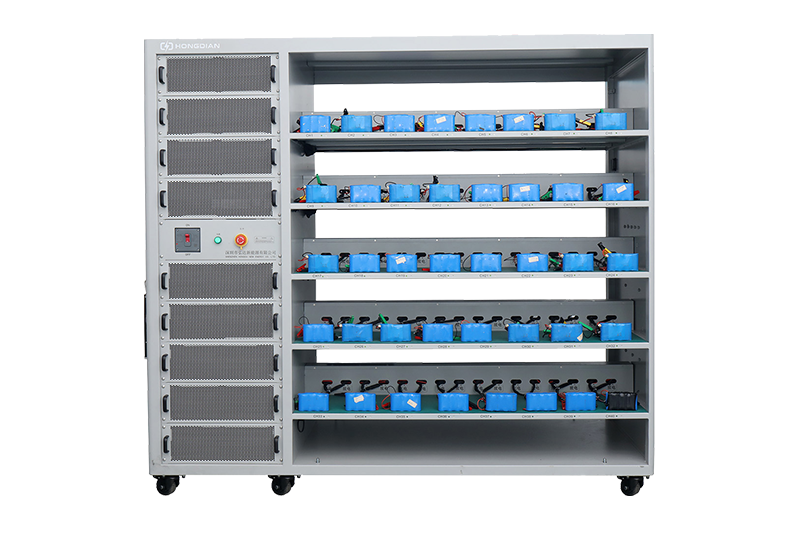 80 channel battery charging and discharging test integrated battery cabinet
 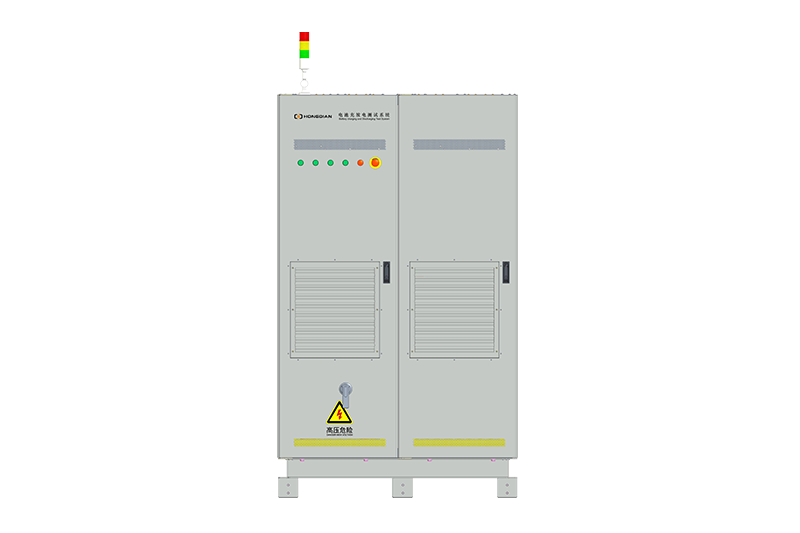 1000V-1500V High Voltage High Current Battery Testing System
 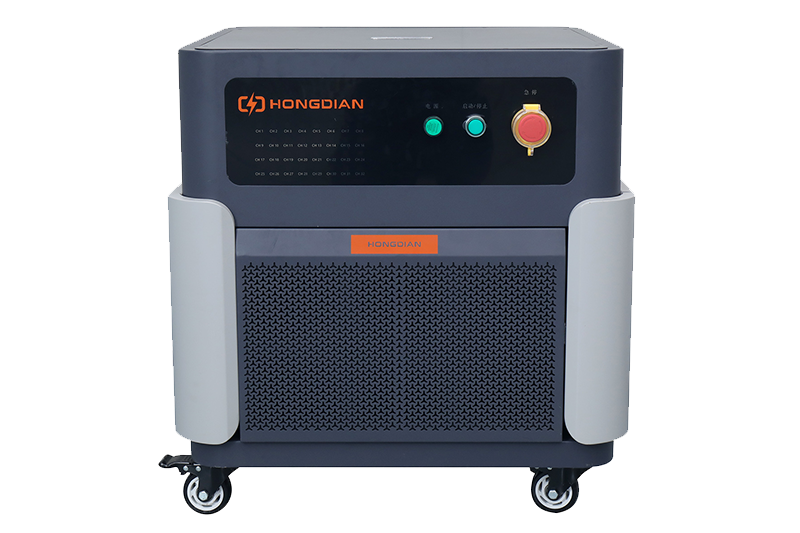 High-Precision Battery Testing System for Enhanced Performance Monitoring 30V/60V/100V/120V
 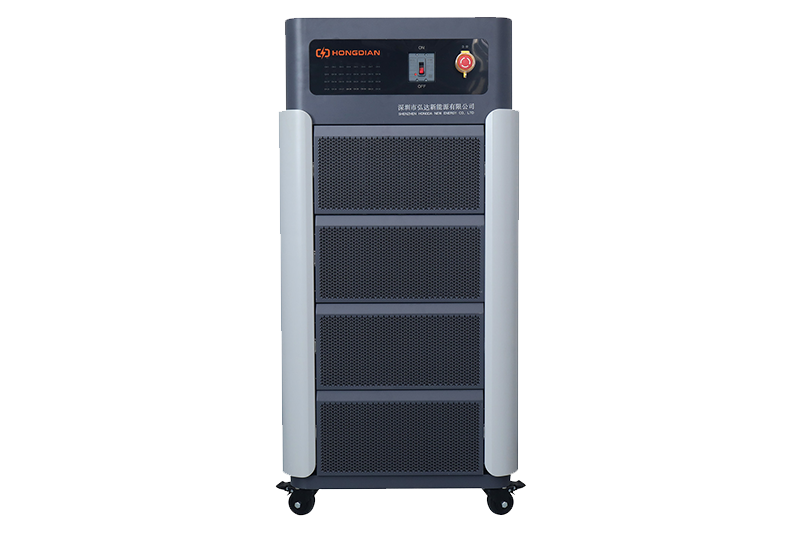 High-Precision Battery Charge Discharge Test Systems for EV Manufacturers
 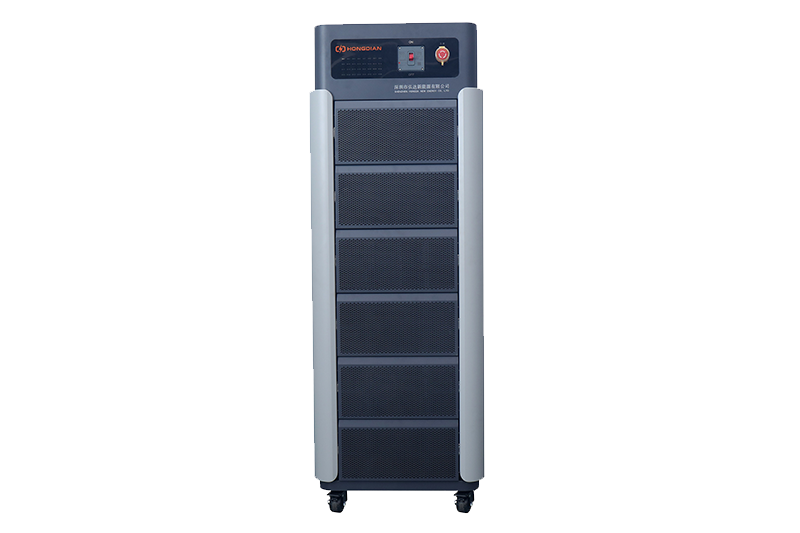 Precision Battery Test Racks for Cell Capacity & Internal Resistance Measurement
  Multi-Channel Battery Testing Equipment for Parallel Performance Analysis