In today’s fast-moving digital world, making sure your apps run smoothly is more important than everif you want to stay ahead of the competition. That’s where having a reliable Load Tester really comes into play. Like the folks over at the'Ultimate Guide to Load Tester Best Practices for High Performance Applications' point out, using the right load testing strategies can make a big difference—not just for how well your app performs, but also for how users experience it.

Shenzhen Hongda New Energy Co., Ltd. totally gets this. They've built a solid reputation as a trusted provider of innovative solutions, serving over a thousand customers and expanding their sales networks across different countries and regions. They really stress how important good load testing practices are to deliver top-quality products and meet today’s market demands. As we go through some of the best practices for load testing, we’ll see how they can actually improve your app’s performance and keep things running smoothly behind the scenes.
Best Practices for Load Testing: Understanding Your Application's Performance Metrics
Load testing is honestly such a crucial part of figuring out how an app performs, especially when you’re working in really high-pressure environments. When done right, it helps teams see whether their apps can handle different levels of traffic without breaking a sweat. Industry stats show that around 80% of performance hiccups happen because of unexpected spikes in visitors—that’s why it’s super important to test thoroughly before launching anything new. And, if you use a good load testing tool, you can gather all sorts of useful info—like response times, throughput, and error rates—that give you a clear picture of how your app’s really doing.
A few tips: always try to mimic real user behavior as much as possible during your tests—think about varying the load to match peak shopping hours versus quiet times. Also, it’s a good idea to set up automated testing that plays nicely with your CI/CD pipelines. That way, load testing becomes just part of your regular workflow, catching problems early before they turn into big issues.
Lately, with advances like full-link pressure testing solutions for e-commerce sites, it’s become even more clear that having reliable load tests is key—especially during big events like shopping festivals. Using smarter testing frameworks, companies can better prepare for traffic surges, cut down on downtime, and make sure users stay happy whenever there’s a flood of visitors.
Ultimate Guide to Load Tester Best Practices for High Performance Applications - Best Practices for Load Testing: Understanding Your Application's Performance Metrics
| Performance Metric | Description | Best Practice | Target Value |
| Response Time | Time taken to respond to requests | Optimize code and database queries | |
| Throughput | Number of requests processed per second | Load distribution and scaling | > 1000 req/sec |
| Error Rate | Percentage of failed requests | Implement robust error handling | |
| Concurrency | Number of simultaneous users | Plan for peak load scenarios | > 500 users |
| Resource Utilization | CPU and memory usage during load | Monitor and optimize resource allocation | |
Key Performance Indicators (KPIs) for Load Testing: What to Measure for Optimal Performance
When you're doing load testing for high-performance apps, setting up the right Key Performance Indicators (or KPIs, for short) is super important if you want everything to run smoothly. Basically, KPIs are just measurable stuff—things like response times, throughput, error rates, and resource use—that tell you how well your app is performing, especially when lots of people are using it at once. I read somewhere from the Performance Engineering Community that most apps should aim for response times under about 200 milliseconds. If it takes longer, folks might get annoyed, and that can really hurt user satisfaction and engagement.
But responsiveness isn’t the whole story. You've also got to keep an eye on throughput—that's just a fancy term for how many transactions your app handles in a given time. Ideally, your app should hit at least 95% of its maximum throughput capacity during busy times, according to some research from the International Load Testing Association. And don’t forget about error rates—tracking those can help you spot bottlenecks or problems before users even see them. In fact, the Load Testing Institute points out that keeping error rates below 1% during peak traffic is a big deal for making sure your app stays reliable and keeps users coming back. All of these KPIs are pretty much essential if you want your load testing to really tell you how your app’s doing and help you make it better.
Effective Load Test Design: Strategies for Simulating Real-World Traffic Patterns
Getting load testing right is honestly a game-changer when it comes to making sure high-performance apps can handle real-world traffic. To really mimic how actual users interact, businesses need to craft detailed test scenarios that mirror the different ways people use their apps. That means looking at peak times and understanding typical user flows so the tests are meaningful. Throwing in realistic data sets helps teams see how their app performs under all sorts of conditions — it’s all about making sure things stay smooth and scalable when everything goes live.
At Shenzhen Hongda New Energy Co., Ltd., we don’t settle for just okay practices. We get that powerful applications need to support a global audience, which is why we've successfully served over a thousand customers across many countries and regions. By using cutting-edge load testing methods, we’re able to boost our app performance to deliver a top-notch experience for our users, even as our sales networks grow. Our focus on performance isn’t just about better tech — it’s about building trust with our customers and staying strong in the rapidly evolving new energy scene.
Interpreting Load Testing Results: Analyzing Data for Actionable Insights
Load testing is honestly one of those crucial steps when you're developing high-performance apps. It’s a way to see how your application holds up when things get really busy or stressful. Figuring out what those load test results mean isn’t always straightforward, but it’s super important if you want to spot bottlenecks and get a good sense of how your app is really performing. Usually, the starting point is to look at key numbers—things like response times, throughput, and error rates. Once you have those, it helps to plot them out using graphs or charts. That way, you can quickly spot patterns, trends, or problem spots that need your attention.
On top of that, connecting this technical data with actual user experience metrics can give you some pretty deep insights. Basically, you wanna see how performance improvements or issues affect real users—like their engagement, satisfaction, or even how many convert during different load scenarios. When you combine the hard numbers with how users are actually feeling or behaving, you get a clearer picture of what really matters. This kind of big-picture view not only helps you fine-tune your app but also guides your decisions on future upgrades and improvements. In the end, it all leads to a more robust, high-performing product that users love and trust.
Automation in Load Testing: Leveraging Tools for Efficiency and Accuracy
Let's talk about load testing — it’s pretty much essential if you want your app to perform at its best. Automation really helps here, not just speeding things up but also making the results more reliable. Did you know that, according to the latest World Quality Report, about 60% of companies are now using automation in their testing? And they’re seeing times cut in half! Crazy, right? By using specialized tools like Apache JMeter or LoadRunner, teams can mimic thousands of users at once. This gives a realistic picture of how the app holds up under real-world traffic, helping spot those nasty bottlenecks before you actually go live. 
A good tip? Get those load testing tools integrated early on, ideally during the development phase. It means you can run tests multiple times, catching issues sooner rather than later — saving you a ton of headache and money down the line. Also, setting up automated scripts to run overnight or during off-peak hours is a game-changer; you get essential performance data without messing with your users.
Automation doesn’t just help with testing speed — AI-driven tools are making simulations even more accurate. A recent study found that organizations using AI in load testing boosted their test coverage by about 30%. Spend some time crafting solid test scenarios, and you’ll get insights that really help optimize your app’s performance across different environments.
And here’s another pro tip: keep your test scenarios fresh. Update them regularly to reflect new user behaviors and tech changes. Plus, using cloud-based load testing solutions makes it super easy to scale up your efforts and handle traffic spikes without breaking a sweat. Trust me, it’s worth it.
Continuous Load Testing: Ensuring Performance Throughout the Development Lifecycle
 Continuous load testing is actually a pretty big deal when it comes to keeping high-performance apps running smoothly throughout the whole development process. If you bring load testing into the mix early on, your team can spot those sneaky bottlenecks and performance hiccups before they turn into real issues in the final product. It’s a bit of a proactive move that helps manage resources better and, honestly, makes for a way better user experience since the app can handle what’s thrown at it without crashing or slowing down.
To make continuous load testing work well, you’ve gotta have a solid game plan that lines up with each stage of development. Picking the right tools is key here — ones that can mimic real user behaviors and give you a clear picture of how your app performs under different kinds of stress. Oh, and it’s super important for devs and testers to stay in the loop — talking often helps catch and fix performance issues early on. When load testing is just part of your regular workflow, you’re more likely to keep the app speedy and reliable as new features come online. All in all, it’s about building something sturdy that can grow and adapt without breaking a sweat.
FAQS
: Load testing is a practice that helps understand an application's performance metrics under varying load conditions. It is important because approximately 80% of performance issues arise from unexpected traffic spikes, making robust testing essential before deployment.
It’s crucial to mimic real-world scenarios, including varying load patterns that reflect both peak and off-peak usage times to ensure accurate testing results.
Automated testing frameworks can integrate with Continuous Integration/Continuous Deployment (CI/CD) pipelines, ensuring that load testing is consistently performed throughout the development lifecycle, which helps catch potential issues early.
Continuous load testing allows teams to identify potential bottlenecks and performance issues early in the development process, leading to effective resource management and an improved user experience.
By utilizing sophisticated testing frameworks and full-link pressure testing solutions, companies can effectively prepare for traffic surges, minimizing downtime and enhancing user satisfaction.
Ongoing communication between development and testing teams is crucial for addressing performance concerns promptly, ensuring that load testing contributes effectively to the overall development process.
A successful strategy should establish clear testing phases, select appropriate tools that simulate realistic user conditions, and incorporate monitoring of application performance under different loads.
Embedding load testing into the development cycle ensures that application performance remains optimal as new features are added, leading to a more robust and reliable application.
Load testing can reveal critical metrics such as response time, throughput, and error rates, providing a comprehensive view of the application's health under load.
Integrating load testing early allows teams to address potential performance issues before they escalate into significant problems in production, leading to better resource management and overall application reliability.
Conclusion
Hey, I just read this really solid article called "Ultimate Guide to Load Tester Best Practices for High Performance Applications," and honestly, it’s packed with useful tips. It breaks down what you really need to know about tuning your app’s performance when it’s under heavy load. One thing that stood out? The importance of understanding key performance metrics and figuring out the right KPIs—those are like your performance GPS, ya know? The guide also walks you through how to design load tests that mimic what real users do, so you can actually get meaningful insights and make smarter decisions based on the results.
Plus, it talks a lot about automation, which, let’s be honest, can save loads of time and help make your testing more accurate. The idea is, don’t just do load testing once and forget about it. Keep it going throughout the whole development process to keep things running smoothly.
For companies like Shenzhen Hongda New Energy Co., Ltd., serving customers all over the globe, following these best practices isn’t just a good idea—it can really boost their app’s reliability and performance. That means happier customers and a better shot at business success overall. So yeah, if you're into making sure your app handles the heat, this guide’s definitely worth a read!

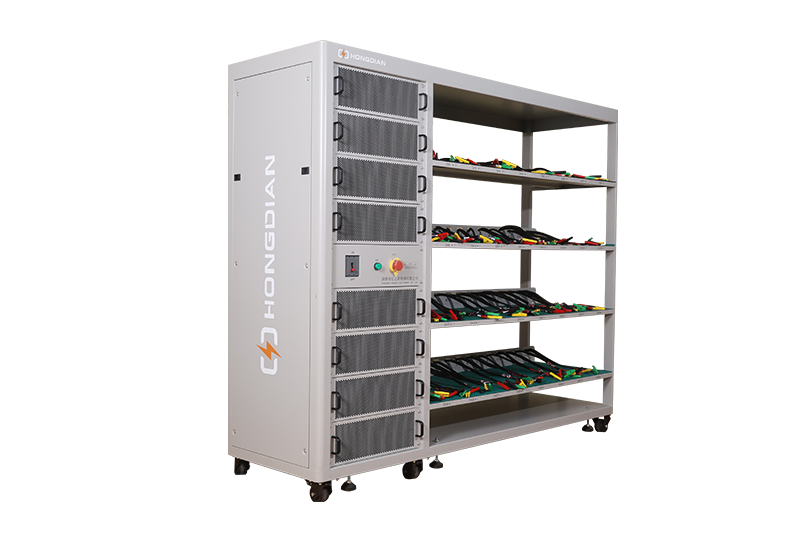 32/48 channel battery charging and discharging test integrated battery cabinet
 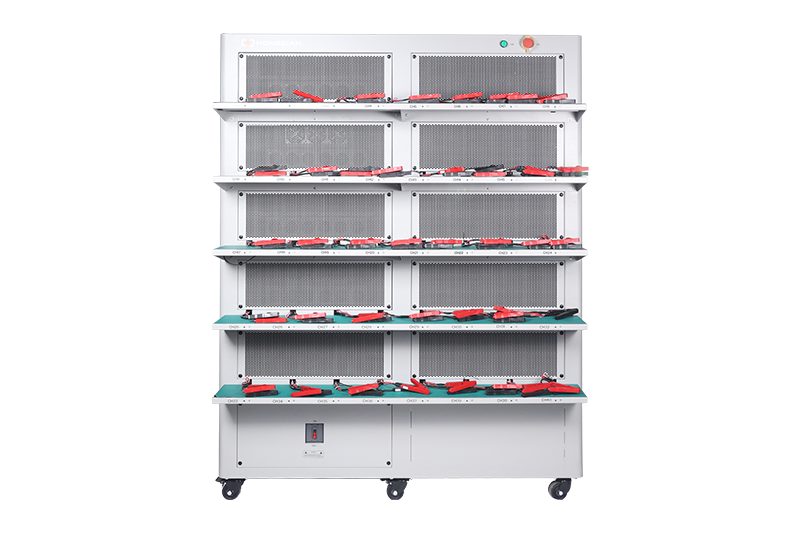 40 channel battery charging and discharging test integrated battery cabinet
  64 channel battery charging and discharging test integrated battery cabinet
 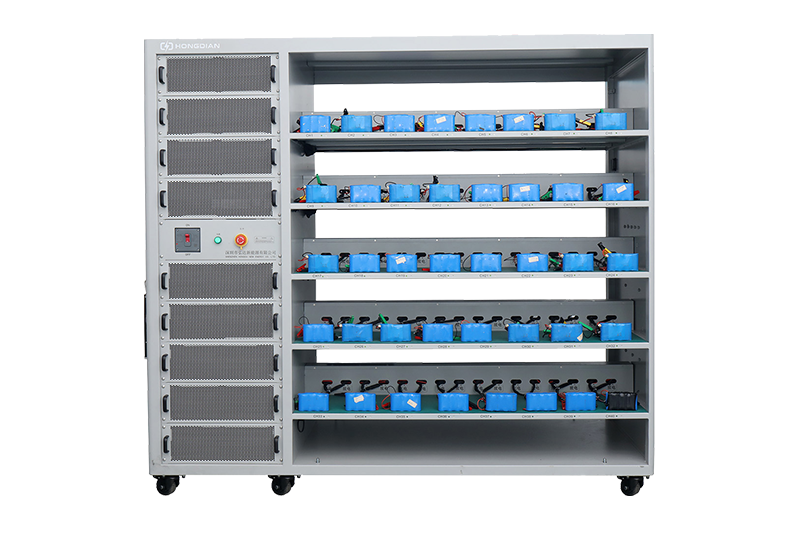 80 channel battery charging and discharging test integrated battery cabinet
 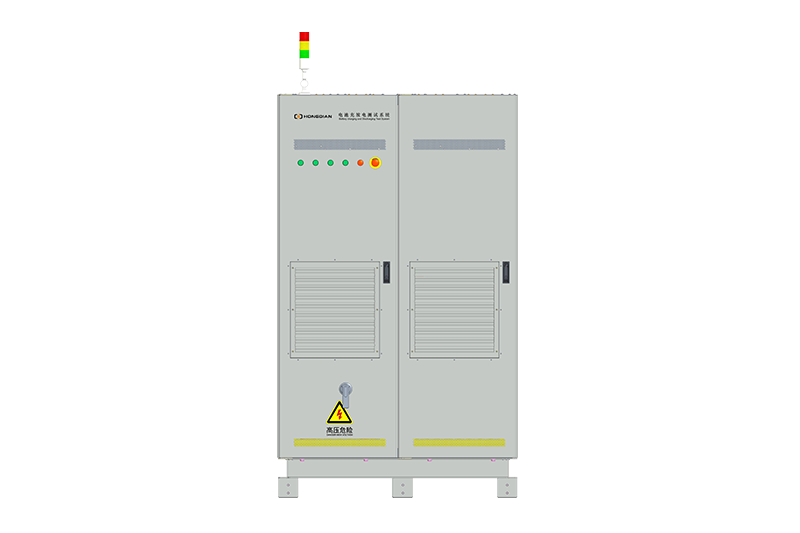 1000V-1500V High Voltage High Current Battery Testing System
 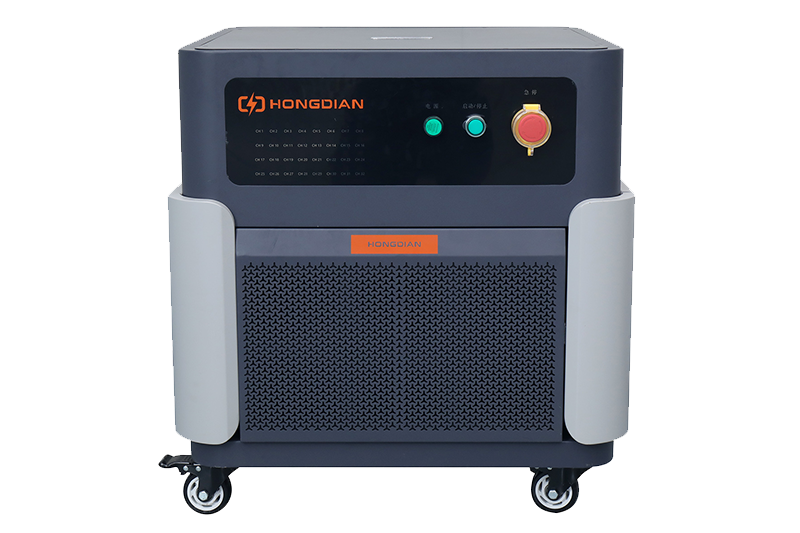 High-Precision Battery Testing System for Enhanced Performance Monitoring 30V/60V/100V/120V
  High-Precision Battery Charge Discharge Test Systems for EV Manufacturers
  Precision Battery Test Racks for Cell Capacity & Internal Resistance Measurement
  Multi-Channel Battery Testing Equipment for Parallel Performance Analysis