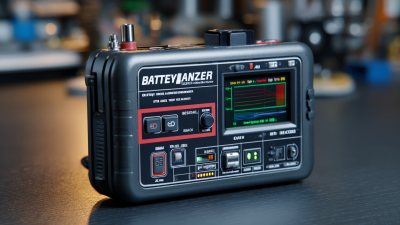
 In today’s busy world, energy efficiency is more important than ever—especially for industries that rely on high-tech battery systems. At Shenzhen Hongda New Energy Co., Ltd., we totally get how crucial it is to squeeze every ounce of performance out of batteries to keep operations running smoothly. Since we kicked things off, we’ve managed to grow quite a bit, serving thousands of customers across different countries and regions. One of the coolest things we’re pushing for is using advanced Battery Monitors. These smart devices give real-time updates on how batteries are doing and help optimize energy use, often boosting efficiency by over 30%. As we keep pushing forward in the new energy world, integrating innovations like Battery Monitors helps our clients hit their sustainability goals while cutting down operational costs. It’s all about making energy smarter, better, and more affordable for everyone.
Understanding Battery Technology: Types and Characteristics
Getting a handle on battery tech is actually pretty important if you want to squeeze the most out of your energy and make your batteries last longer. There are all kinds of batteries out there—like lithium-ion, lead-acid, and nickel-metal hydride—and each one has its own quirks that can affect how well they perform and how long they stick around. For instance, I recently read a report from the International Energy Agency that says lithium-ion batteries are kind of the go-to because they pack a lot of energy in a small space and work really efficiently. That’s why you see them everywhere—from your favorite gadgets to electric cars. But, and here’s the catch, their lifespan really depends on stuff like how often you charge them and how hot (or cold) the environment is.
If you’re trying to keep your batteries in good shape, a good rule of thumb is to avoid extremes—try to store them in a cool, dry spot. Also, doing a full discharge followed by a full recharge every now and then can help keep your battery readings accurate, according to the folks over at Battery University.
And if you really want to level up, advanced battery monitors are pretty awesome. They give you real-time info on your battery's health and charging history, which can seriously help you manage things better. The Energy Storage Association says that with the right monitoring, you could boost your energy efficiency by more than 30%. So, understanding how your batteries work and keeping an eye on them isn’t just geeky—it's a smart move that can save you a buck and make your tech run smoother.
The Role of Battery Monitors in Enhancing Energy Efficiency
Advanced battery monitors are pretty much essential when it comes to boosting energy efficiency. They make a real difference, not just in how long your batteries last, but also in the overall performance of your energy setup. What’s cool is they give you real-time info about the battery’s status, how healthy it is, and how you're using it. That means you can make smarter choices about when and how to charge or use your batteries. Instead of just reacting to problems, you’re actually staying ahead—avoiding overcharging or draining them too much—and catching inefficiencies early so you can make adjustments and be more energy-conscious.
On top of that, these monitors can help catch potential issues before they become real problems. By spotting patterns or weird readings, they let you jump in and fix things before your system fails, which saves you hassle and money in the long run. And today’s smart monitors even learn from your habits and the environment, tweaking their advice to help you save even more energy. All in all, investing in a good battery monitoring system can boost your energy efficiency by over 30%. That’s a win for your wallet and the planet, too.
Key Features of Advanced Battery Monitoring Systems
Advanced battery monitoring systems, or BMS for short, are really key when it comes to getting the most out of your batteries—boosting their lifespan and making energy use way more efficient, often by more than 30%. They do this by keeping an eye on all the real-time data—like how healthy the battery is, its temperature, and how many charge cycles it’s gone through. With that info, they can fine-tune charging patterns and give you better overall control over the battery. Modern BMS aren’t just about tracking anymore; they come with safety features too. Things like over-temperature protection and even fire suppression systems are now pretty standard, making sure that your batteries are safe and last longer.
For example, recent tech upgrades include adding fire-fighting capabilities directly into battery packs. This setup helps prevent heat from spreading between cells and can even put out fires early if needed—that’s a major safety boost. Plus, manufacturers are coming out with new lithium-ion energy solutions that are super efficient and pack in some cool, innovative features. All of these improvements aren’t just making electric vehicles better—they’re also a game-changer for energy storage systems. Basically, all these advancements underline just how crucial smart, high-tech battery management has become in today’s tech world.

Real-World Case Studies: Energy Savings with Battery Monitors
Lately, we've seen how using advanced battery monitoring systems can really make a difference in saving energy across different industries. According to a study by the International Energy Agency (IEA), buildings and facilities that have these smart monitors in place can save over 30% on energy costs. What’s great is that these monitors give real-time updates on how batteries are performing, so organizations can fine-tune charging times and avoid draining batteries too much. That kind of tracking is super important if you want batteries to last longer and work better.
And the real-world examples? They’re pretty convincing. Take this: a big data center recently adopted a high-tech battery monitoring system and saw energy costs drop by about 25%. That’s like saving around $120,000 each year! The system helped them keep tabs on battery health, which meant fewer replacements and less downtime—pretty sweet, right? Plus, the Energy Storage Association mentioned that companies using these kinds of battery management tech not only became more energy-efficient but also saw their power supplies become more reliable. All in all, it’s clear that investing in smart monitoring solutions pays off big time.
Maximizing Battery Life: Energy Efficiency Improvements
The chart demonstrates the improvement in energy efficiency achieved by implementing advanced battery monitors. The data shows a significant increase from 60% efficiency without monitors to 90% efficiency with their use, representing a substantial enhancement in battery management.
Best Practices for Implementing Battery Monitoring Solutions
When it comes to managing batteries, having solid monitoring systems in place really makes a difference. Not only does it help squeeze out more energy efficiency, but it also extends the lifespan of your batteries. I’ve seen reports lately saying that some of these advanced systems can boost energy efficiency by over 30%. They give you real-time updates on things like battery health, voltage, and temperature—so you catch issues early before they turn into costly failures. According to the International Energy Agency, companies that use smarter battery management tech actually waste about 20% less energy compared to those sticking with the old-school methods.

Getting these monitoring solutions up and running smoothly is all about following a few best practices. First off, it’s super important to pick the right technology tailored to your specific needs. For example, systems that use IoT and cloud analytics can give you deeper insights and even predict problems before they happen. And don’t forget—proper training for your team makes a huge difference. A McKinsey report mentions that organizations that invest in staff training alongside new tech tend to see a 25% faster return on their investments. So, bottom line: by adopting these best practices, you’re not just making your batteries last longer—you’re also saving some serious energy and money in the process.
Future Trends in Battery Monitoring and Energy Management
As the world starts to lean more towards a sustainable future, the market for Vehicle-to-Home (V2H) energy systems is really about to take off. Experts are projecting it could hit around $532.6 million by 2032, growing at a pretty impressive rate of about 24% each year. What’s fueling this growth? Well, it’s all about the leaps we’re seeing in battery monitoring and energy management tech — they’re really changing the game when it comes to how we make use of renewable sources. Those smart battery monitoring systems are crucial because they help us ramp up energy efficiency by more than 30%. That’s a big deal, whether you’re just managing your own energy use or keeping the bigger grid running smoothly.
Looking ahead, it’s clear that Battery Management Systems (or BMS) are only going to grow in importance. Especially now, with more people adopting electric vehicles and the push for more renewable energy. These systems help keep batteries out of the critical zones — avoiding potential damage — and they do a great job of managing all the data, which makes the whole energy ecosystem more reliable. Plus, with China’s aggressive plans to reach carbon neutrality, storage solutions are almost becoming essential. They connect energy production, keep the grid stable, and help meet the demands of consumers, all while supporting the shift towards a low-carbon economy. Honestly, the fast-paced growth happening in energy management just goes to show how much innovation is needed if we want to reach our sustainability goals — it’s an exciting time for sure!
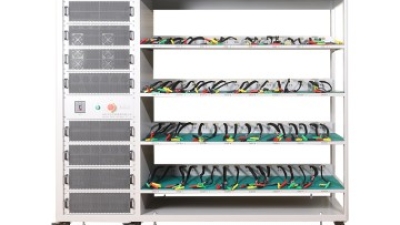
Comprehensive Overview of a 64-Channel Battery Charging and Discharging Test Integrated Cabinet
The demand for efficient energy management solutions has never been higher, particularly in the realm of battery technology. The integration of a 64-channel battery charging and discharging test cabinet represents a significant advancement in the field, allowing for comprehensive analysis and optimization of battery performance. According to a report by the International Energy Agency, energy storage capacity is projected to grow substantially, highlighting the importance of testing systems that can adapt to evolving battery chemistries and applications.
This innovative energy feedback charging and discharging testing system operates via a computer-controlled mechanism, enabling precise management of power testing parameters. By utilizing a feedback system, it optimizes the charging and discharging cycles, thus enhancing the overall efficiency and longevity of battery systems. Industry analysis indicates that systems like these can improve testing accuracy by up to 30%, making them essential for manufacturers aiming to meet stringent performance and safety standards.
Furthermore, with the rise of renewable energy sources, the ability to simulate real-world conditions for energy storage systems is crucial. The 64-channel cabinet can simultaneously conduct multiple tests, significantly reducing downtime and accelerating the development cycle for new battery technologies. As reported by Bloomberg New Energy Finance, investments in battery technology are projected to reach $100 billion by 2030, underscoring the need for state-of-the-art testing systems to support this growth.
FAQS
: The main purpose of advanced battery monitoring systems is to maximize battery life and improve energy efficiency by over 30% through the monitoring of battery health, temperature, and charge cycles for optimized charging strategies.
Advanced BMS enhance safety by incorporating features such as over-temperature protection and fire suppression mechanisms, which help prevent fires and ensure the longevity of the battery systems.
Recent advancements include the integration of fire extinguishing capabilities within battery systems that prevent heat transfer between cells and can extinguish fires early, thus significantly enhancing safety.
The Vehicle-to-Home (V2H) energy systems market is projected to reach $532.59 million by 2032, with a compound annual growth rate of 24.28%.
Battery monitoring systems contribute to the utilization of renewable energy sources by maximizing energy efficiency and optimizing both individual energy consumption and broader grid management.
BMS play a crucial role in electric vehicle adoption by preventing batteries from operating in critical zones and enhancing data management, supporting a more robust energy landscape.
Storage solutions are important as they link energy production, grid stability, and consumer demand, playing a vital role in supporting the transition to a low-carbon economy.
Anticipated trends in the energy management sector include significant growth driven by innovative solutions that capitalize on advancements in battery monitoring and energy management technologies.
Advanced BMS facilitate better overall battery management by providing real-time data and analytics, which allows for optimized charging strategies and better monitoring of battery health and performance.
The Chinese government's push for carbon neutrality highlights the increasing importance of battery management systems and storage solutions, which are essential for integrating renewable energy and achieving sustainable energy goals.
Conclusion
You know, advanced battery monitoring systems are a real game-changer when it comes to getting the most out of your batteries and boosting energy efficiency. In fact, they can even help improve performance by over 30%! To really make the most of these systems, it’s important to understand different battery technologies and what makes them tick. These monitors offer live data—so you can keep an eye on things in real time and tweak your energy usage to keep everything running smoothly within the optimal parameters.
At Shenzhen Hongda New Energy Co., Ltd., we get just how important this stuff is. We've worked with over a thousand customers around the world, helping them optimize their energy systems. By digging into the key features of these advanced monitors and looking at real-world case studies, businesses often see some pretty impressive energy savings—and it's a great way to get better control over battery management. Following best practices for integrating these solutions isn’t just smart; it’s paving the way for future trends in energy management. Ultimately, battery monitors are becoming a vital part of sustainable energy use—and that’s pretty exciting!

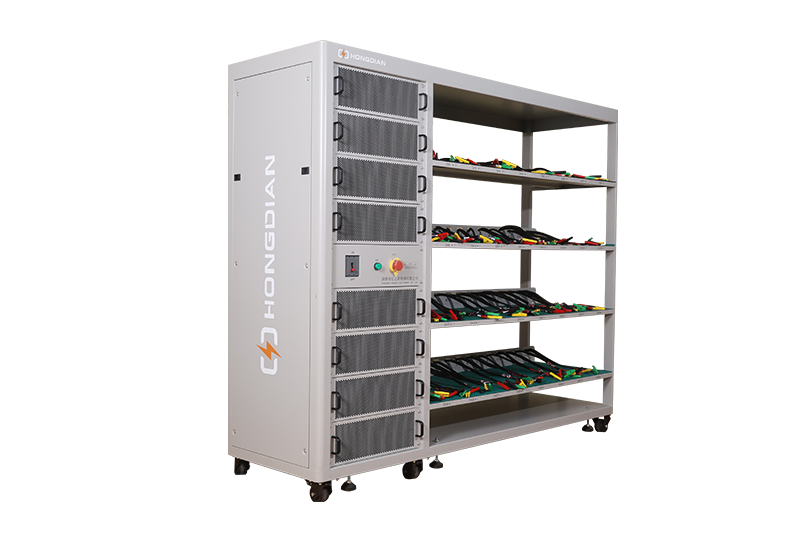 32/48 channel battery charging and discharging test integrated battery cabinet
 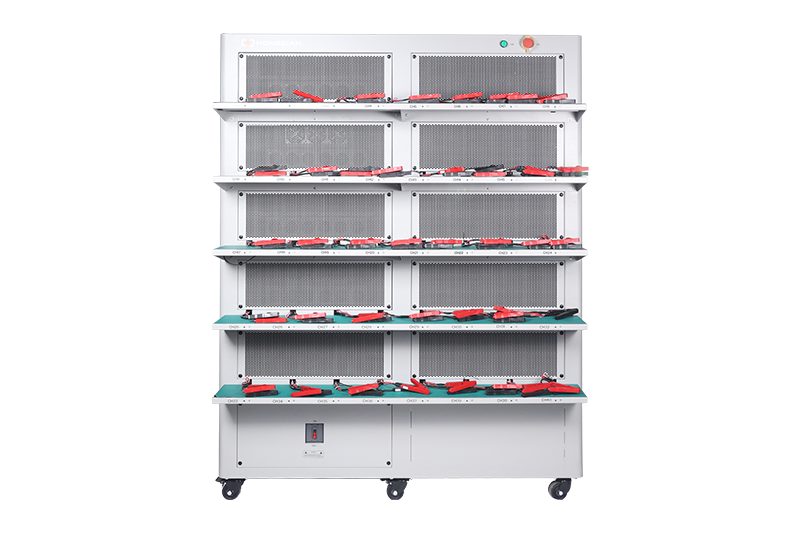 40 channel battery charging and discharging test integrated battery cabinet
  64 channel battery charging and discharging test integrated battery cabinet
 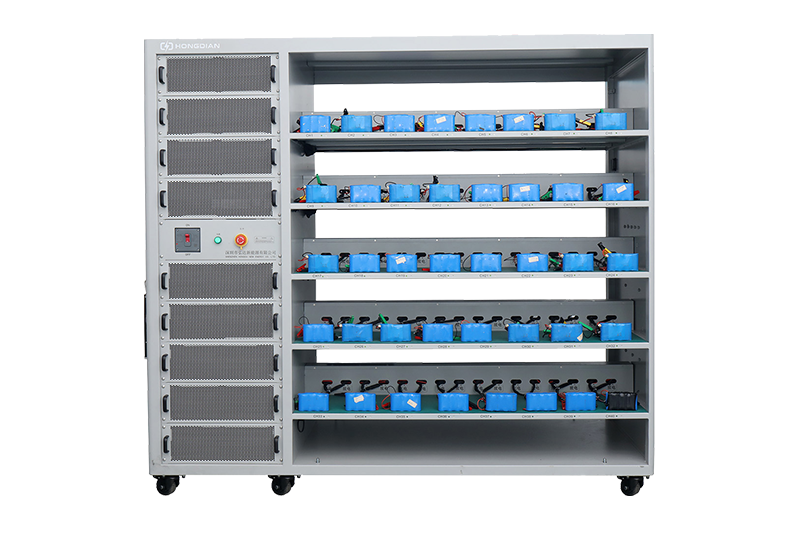 80 channel battery charging and discharging test integrated battery cabinet
 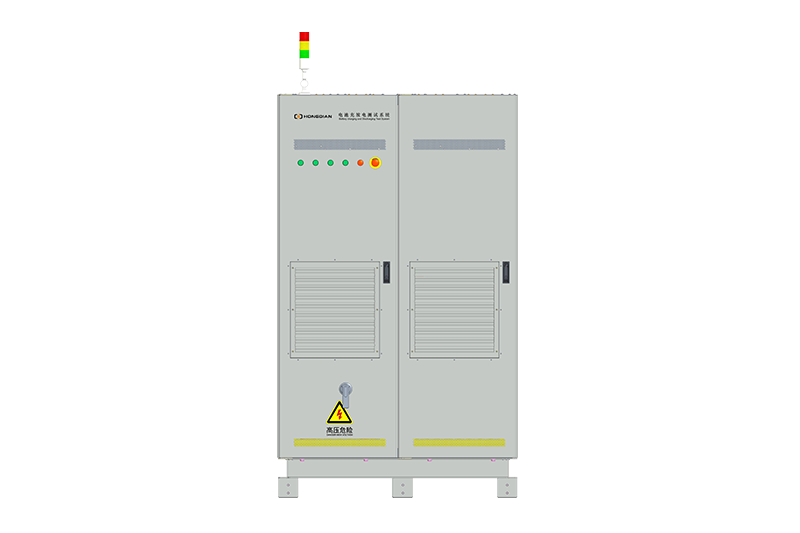 1000V-1500V High Voltage High Current Battery Testing System
 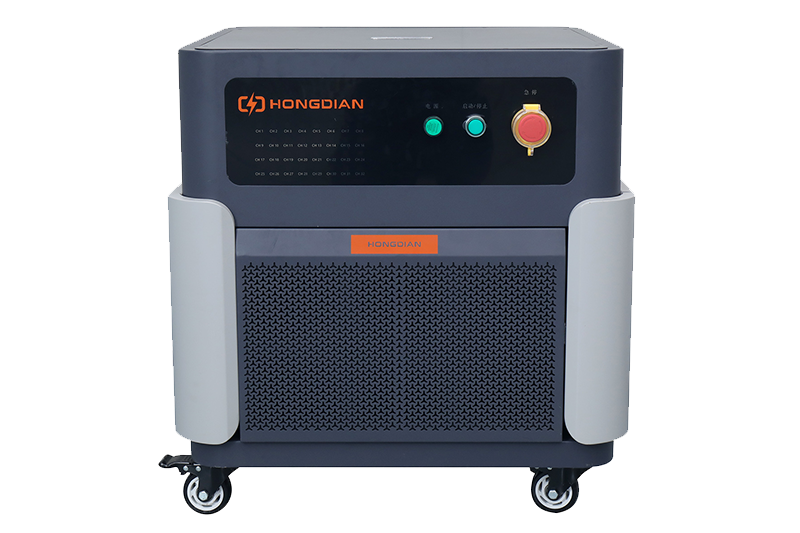 High-Precision Battery Testing System for Enhanced Performance Monitoring 30V/60V/100V/120V
 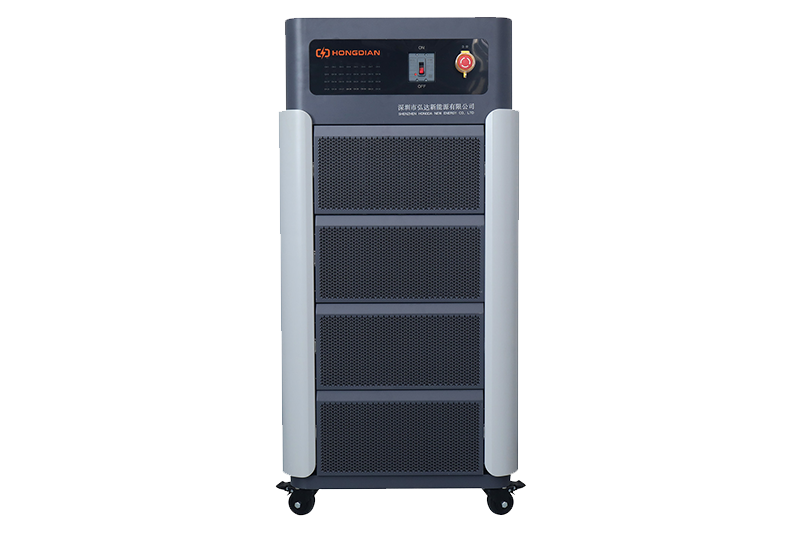 High-Precision Battery Charge Discharge Test Systems for EV Manufacturers
 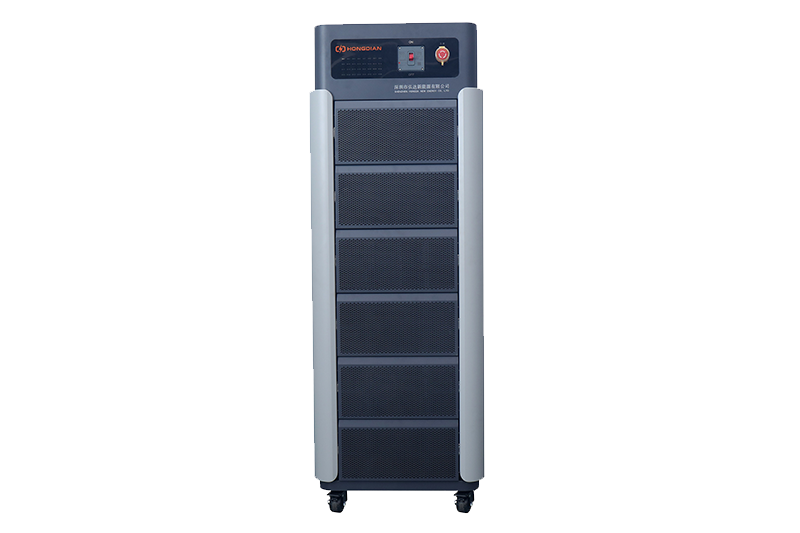 Precision Battery Test Racks for Cell Capacity & Internal Resistance Measurement
  Multi-Channel Battery Testing Equipment for Parallel Performance Analysis