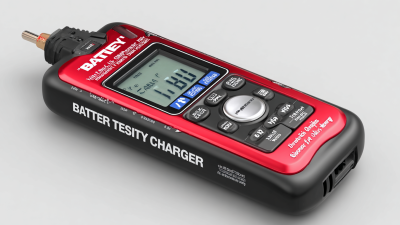
When it comes to figuring out how healthy and reliable your batteries are, having the right tool on hand is a game-changer. That’s where a gooD Battery Tester charger really comes into play. Industry expert Dr. James Whitaker, who’s pretty much a big name in the world of battery tech, stresses how important accuracy is, saying something like, "An accurate battery tester can be the difference between your device working smoothly or surprising you with a sudden failure." That just highlights why it’s so worth investing in a quality battery tester charger that fits your specific needs.
In today’s world, where we’re all pretty much glued to our gadgets, understanding how to properly check a battery’s health isn’t just for tech pros — it matters for everyone. A reliable tester doesn’t just help you spot problems early on; it also makes sure your batteries are charged just right, helping them last longer. As we dig into this buying guide, I’ll walk you through the key features to look out for, the different types of testers available, and some handy tips to make smarter choices. When you choose the right equipment, you’re basically setting yourself up for better performance and longer-lasting batteries across your devices — simple as that.

Understanding the Importance of Battery Tester Chargers
Battery tester chargers play a crucial role in maintaining the performance and longevity of batteries. Understanding their importance begins with recognizing that batteries are essential components in many devices, from household electronics to vehicles. A reliable battery tester charger not only evaluates the health of a battery but also ensures it is charged efficiently and safely. This process helps users avoid unexpected failures and extend the lifespan of their batteries, ultimately saving money and reducing waste.
Moreover, battery tester chargers provide detailed insights into battery conditions, such as charge level, capacity, and potential issues that could affect performance. This information empowers users to take proactive measures, whether that involves recharging, replacing, or properly maintaining the battery. By investing in a quality battery tester charger, consumers can make informed decisions based on accurate assessments rather than assumptions, enhancing their overall experience with battery-operated devices. Thus, understanding and utilizing these tools is vital for anyone relying on batteries in their daily lives.
Battery Tester Charger Performance Comparison
Types of Battery Tester Chargers: A Comprehensive Overview
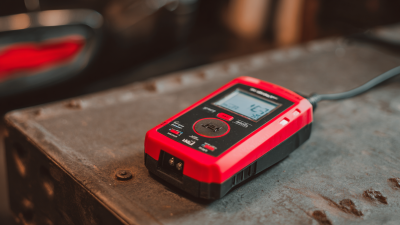
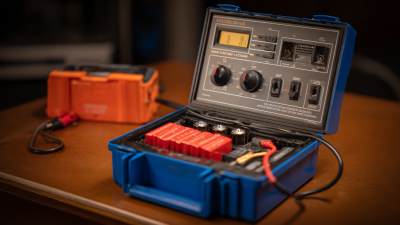
When selecting a battery tester charger, it is crucial to understand the different types available to ensure accurate battery assessments. There are primarily three categories: analog testers, digital testers, and smart testers. Analog testers provide a basic reading of voltage and charge status using a needle gauge, making them reliable for simple tasks. Digital testers, on the other hand, offer a more precise measurement and often include features like temperature compensation, making them suitable for a wide range of applications. Lastly, smart testers leverage advanced technology to provide insights into battery health, charge cycles, and even predictive analytics, catering to professional users and enthusiasts who require in-depth analysis.
According to a recent industry report, the global battery tester market is expected to grow at a compound annual growth rate (CAGR) of 6.5% from 2023 to 2030. This growth underscores the increasing demand for accurate battery diagnostics in various sectors, from automotive to renewable energy. In choosing the right type of battery tester charger, consider the capacity of the batteries you work with and the specific testing features you need.
Tips:Always verify the calibration of your tester to ensure accuracy. Additionally, when storing Battery Testers, keep them in a cool, dry place to maintain their functionality over time. Regular maintenance, such as replacing batteries in testers and cleaning the contacts, will enhance performance and longevity.
Key Features to Look for in Battery Tester Chargers
When selecting a battery tester charger, several key features should be prioritized to ensure accurate assessments and efficient charging. One of the most critical aspects is the device's compatibility with different battery types. A versatile charger that can handle various chemistries like lead-acid, lithium-ion, and nickel-cadmium will provide greater utility and longevity, as it allows users to charge and test multiple batteries without needing separate devices.
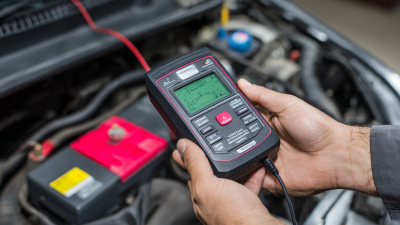
Another essential feature to look for is the tester's display capabilities. A clear and informative digital display can significantly improve usability by providing real-time data on battery voltage, capacity, and health status. Some advanced models also offer comprehensive diagnostics, which can help identify issues such as short circuits or capacity degradation. Additionally, user-friendly interfaces, such as intuitive buttons and navigation menus, make it easier for any user—whether a novice or an experienced technician—to interpret results and manage battery maintenance tasks effectively.
Finally, consider safety features that enhance protection during the charging process. Look for testers with built-in safeguards against overcharging, short circuits, and reverse polarity. These features not only prolong battery life but also minimize the risk of accidents, ensuring a safer environment when working with batteries. By focusing on these vital characteristics, consumers can make informed decisions when purchasing a battery tester charger that meets their needs for accuracy and safety.
How to Choose the Right Battery Tester Charger for Your Needs
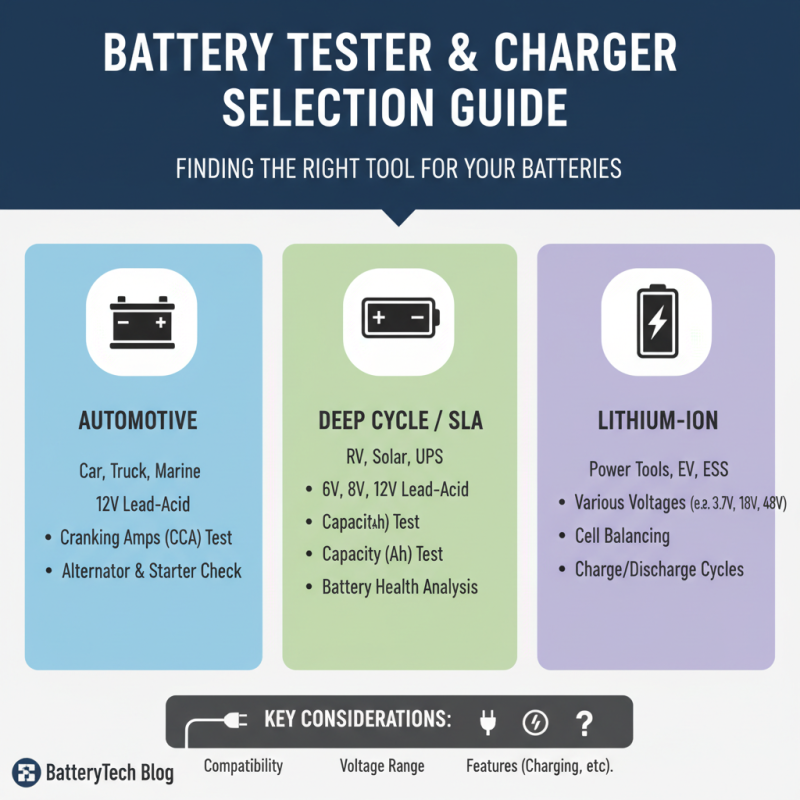
When selecting the right battery tester charger for your needs, the first step is to assess the types of batteries you will be working with. Different applications require different testers, such as those for automotive batteries, lead-acid batteries, or lithium-ion batteries. Ensure that the tester you choose is compatible with the specific battery chemistry and voltage range you intend to evaluate. This compatibility is crucial for obtaining accurate readings and prolonging the lifespan of your batteries.
Another important consideration is the features offered by the tester charger. Some models come equipped with advanced features such as digital displays, built-in diagnostic capabilities, or temperature compensation functions. These features can significantly enhance your battery assessment process, allowing you to quickly identify issues like capacity loss or cell defects. Moreover, portability and ease of use should also be factored into your decision. A lightweight, user-friendly design will enable you to perform assessments efficiently, whether at home, in a workshop, or on the go.
Tips for Accurate Battery Assessment Using Tester Chargers
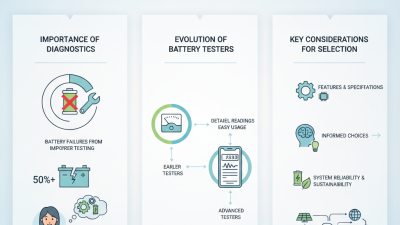
When selecting a battery tester charger, precision in assessment is crucial for optimal performance and longevity of your battery. According to a 2022 report by the Battery Innovation Association, over 30% of battery failures are attributed to improper testing methods. To ensure accurate battery assessments, it is essential to choose a tester that provides detailed information on charge cycles, voltage levels, and overall health status. Understanding these parameters helps users to make informed decisions regarding battery maintenance and replacement.
Utilizing advanced features in battery tester chargers enhances assessment accuracy. A model with built-in capabilities for real-time monitoring can prevent overcharging and undercharging, which are common causes of battery degradation. Additionally, testing under various load conditions can provide a more comprehensive understanding of battery performance. The National Renewable Energy Laboratory reports that consistent monitoring can extend battery life by up to 20%. Therefore, investing in a high-quality battery tester charger with precise measurement capabilities is not only a smart choice but also a necessary one for anyone looking to maintain the efficiency and reliability of their batteries.
Maintenance and Care for Your Battery Tester Charger
When it comes to maintaining the longevity and performance of your battery tester charger, adherence to proper care routines is essential. According to a report by the Battery Council International, regular maintenance can enhance the lifespan of battery equipment by up to 30%. A simple step like ensuring the terminals are clean and free of corrosion can significantly impact accuracy and reliability in battery assessments. Ideally, the connections should be wiped with a lint-free cloth and checked for any signs of wear or damage.
Tips: Always store your battery tester charger in a cool, dry place. Temperature fluctuations can affect both the charger’s functionality and the precision of the tests conducted. Furthermore, regularly calibrating your tester can help maintain its accuracy. Many manufacturers recommend calibration every six months to one year, depending on usage.
In addition, keeping the charger’s firmware up to date is crucial for optimal performance. Many modern testers allow for software updates that can improve functionality and provide new features. A well-maintained battery tester charger not only ensures effective assessments but also contributes to the overall health of the batteries you are testing. By following these maintenance tips, you can ensure that your equipment remains reliable and functionally efficient for years to come.
Common Mistakes to Avoid When Using Battery Tester Chargers
When using battery tester chargers, it's easy to make mistakes that can lead to inaccurate assessments and even damage to your batteries. One common pitfall is neglecting to read the user manual thoroughly. Many users assume they know how to use the device, only to overlook specific instructions that ensure accurate readings. Always familiarize yourself with the settings and features of your battery tester charger before use.
Another frequent error is assessing a battery that hasn't been fully charged or discharged. Inaccurate readings can result from testing a battery in an incorrect state. To obtain reliable results, stick to the manufacturer's recommendations regarding charge levels before testing.
Tips: To avoid these mistakes, take a moment to verify that your battery tester charger is calibrated correctly. Regular maintenance of the charger can help ensure that it remains functional and reliable. Additionally, double-check the connections and cables for any damage or wear, as these can also skew your readings. Remember, investing the time to follow proper procedures can greatly enhance the accuracy of your battery assessments.
Innovative Precision Battery Test Racks: Enhancing Cell Capacity and Internal Resistance Measurement Accuracy
In the realm of battery technology, accurate measurement of cell capacity and internal resistance is crucial for optimizing performance and longevity. Innovative precision battery test racks offer a significant upgrade in testing capabilities, ensuring that manufacturers can rely on precise data to make informed decisions. With advanced features designed explicitly for high-capacity testing, these racks enhance both the efficiency and reliability of the testing process.
One standout option in the market is the expansive 30U cabinet, which caters to industrial-grade battery testing across a broad voltage range of 60V to 150V. Its impressive capability of supporting up to 48 channels for simultaneous tests allows for comprehensive analysis without sacrificing accuracy or speed. This capacity not only streamlines workflow but also ensures that multiple samples can be evaluated under identical conditions, resulting in more reliable comparisons and data integrity.
As the demand for efficient energy storage solutions grows, investing in innovative testing infrastructure becomes paramount. The combination of enhanced measurement accuracy and the ability to handle numerous tests at once positions these precision battery test racks as an essential tool for any forward-thinking facility dedicated to advancing battery technologies.
FAQS
: When selecting a battery tester charger, prioritize compatibility with different battery types, clear display capabilities, user-friendly interfaces, and safety features to enhance protection during charging.
Compatibility with various battery chemistries ensures greater utility and longevity, allowing users to charge and test multiple batteries without needing separate devices.
A clear and informative digital display provides real-time data on battery voltage, capacity, and health status, making it easier for users to interpret results.
Advanced battery tester chargers can offer comprehensive diagnostics to identify issues such as short circuits or capacity degradation.
Look for testers with built-in safeguards against overcharging, short circuits, and reverse polarity to prolong battery life and minimize accident risks.
To ensure accurate assessments, choose a tester that provides detailed information on charge cycles, voltage levels, and overall battery health status.
Real-time monitoring helps prevent overcharging and undercharging, which are common causes of battery degradation, helping to maintain optimal battery performance.
Testing under various load conditions provides a more comprehensive understanding of battery performance, contributing to better maintenance decisions.
Consistent monitoring can extend battery life by up to 20%, as it helps identify issues and ensures proper charging practices are followed.
Consumers should focus on accuracy, safety features, compatibility, and usability to make informed purchasing decisions that meet their battery maintenance needs.
Conclusion
A Battery Tester Charger is an essential tool for anyone looking to maintain and assess the performance of their batteries accurately. Understanding the importance of these devices can help users ensure that their batteries are always in optimal condition. This guide provides a comprehensive overview of the various types of battery tester chargers available, highlighting key features such as accuracy, compatibility, and user-friendliness that one should consider when making a purchase.
Choosing the right Battery Tester Charger involves evaluating your specific needs, while following tips for accurate assessments can enhance the effectiveness of your testing process. Additionally, regular maintenance and care for your charger can prolong its lifespan, and avoiding common mistakes will ensure more reliable results. Overall, this guide aims to equip users with the knowledge necessary for effective battery management using tester chargers.

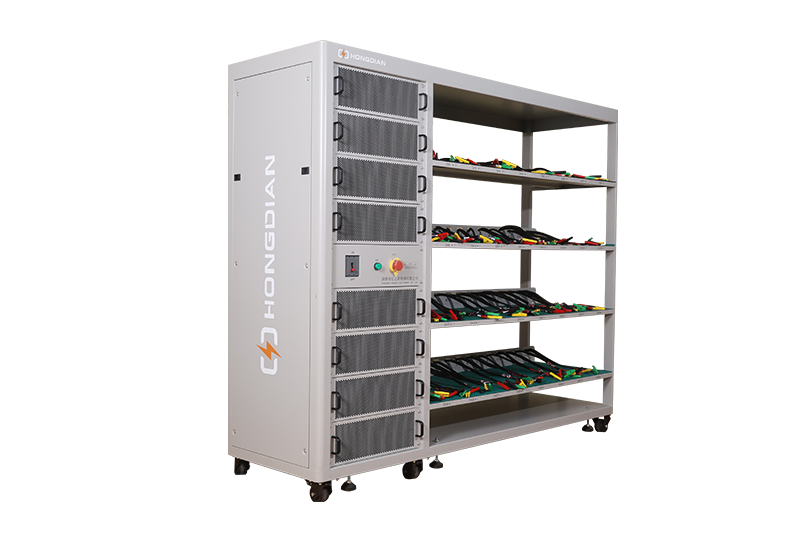 32/48 channel battery charging and discharging test integrated battery cabinet
  40 channel battery charging and discharging test integrated battery cabinet
  64 channel battery charging and discharging test integrated battery cabinet
 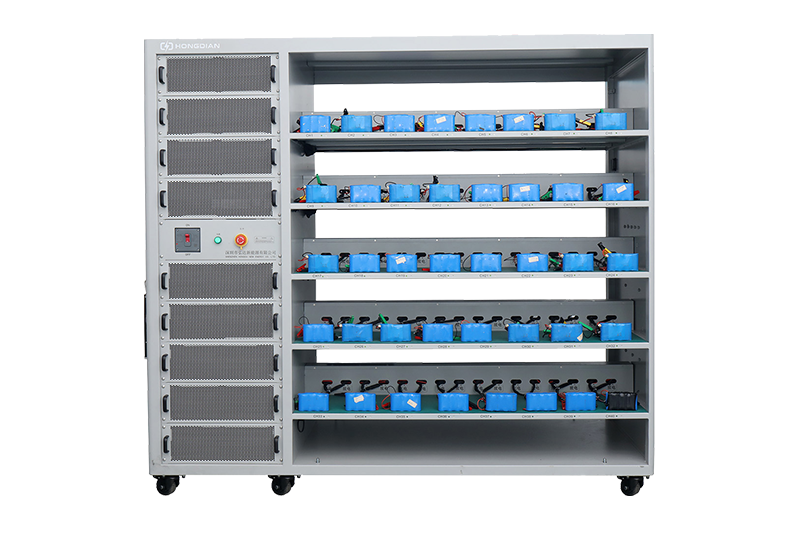 80 channel battery charging and discharging test integrated battery cabinet
 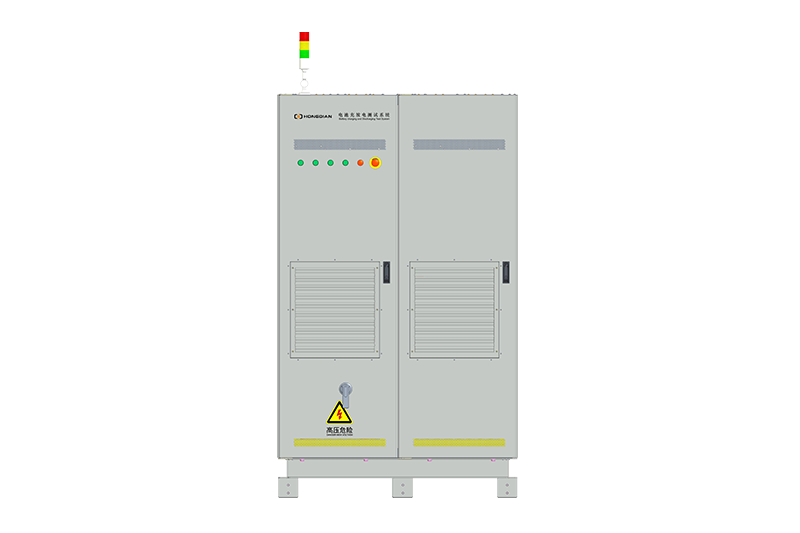 1000V-1500V High Voltage High Current Battery Testing System
 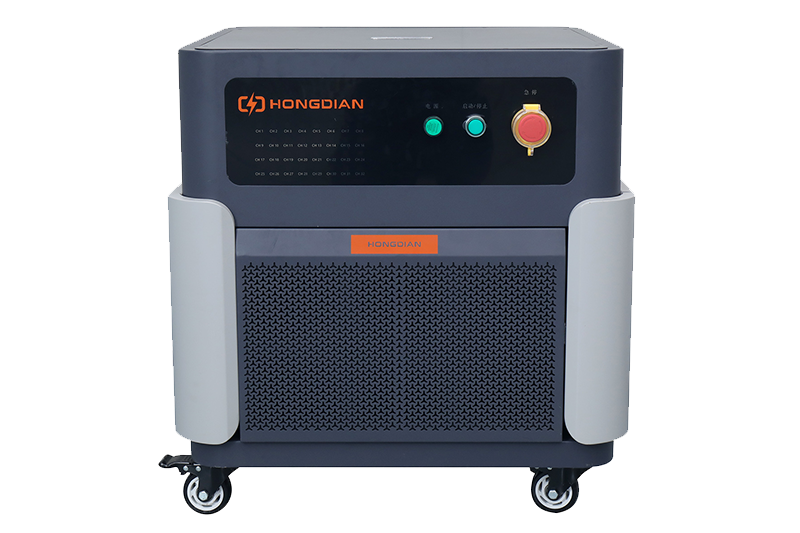 High-Precision Battery Testing System for Enhanced Performance Monitoring 30V/60V/100V/120V
 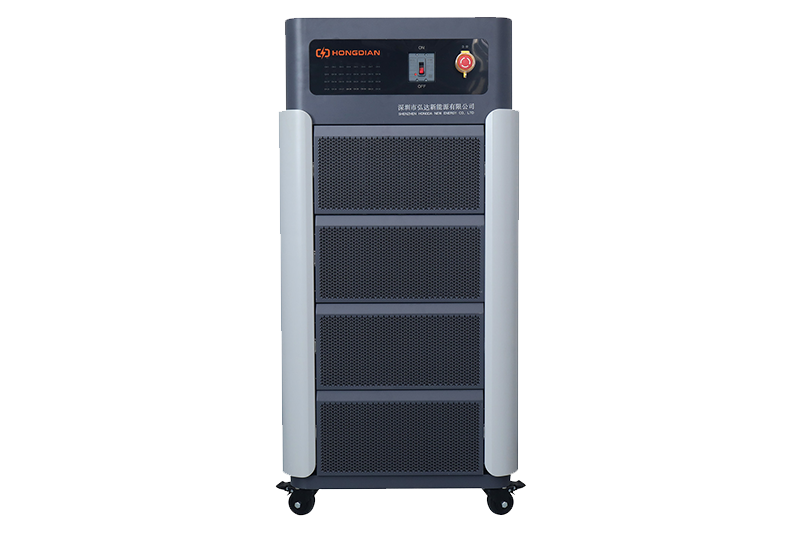 High-Precision Battery Charge Discharge Test Systems for EV Manufacturers
 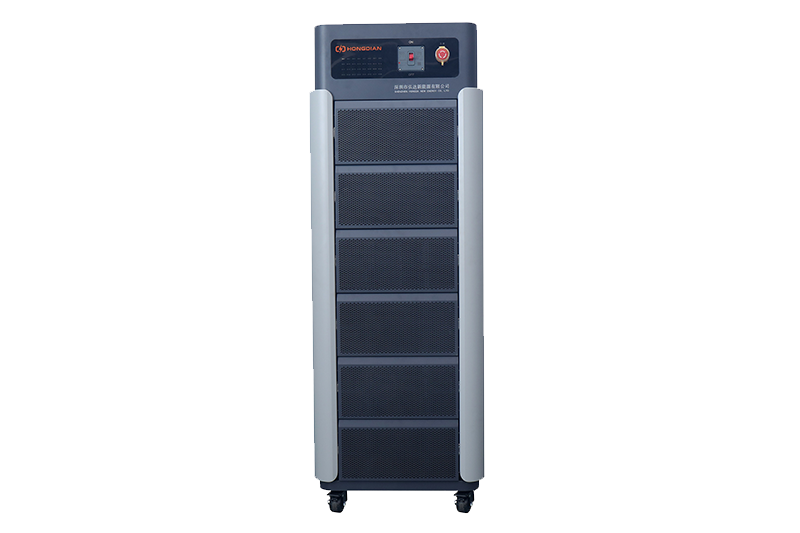 Precision Battery Test Racks for Cell Capacity & Internal Resistance Measurement
  Multi-Channel Battery Testing Equipment for Parallel Performance Analysis